
Key Takeaways
- Subcutaneous fat lies directly beneath the skin and is typically less threatening. Visceral fat wraps around internal organs and elevates risks for conditions such as heart disease and diabetes.
- Liposuction removes primarily subcutaneous fat and contours the body, but does not address visceral fat or underlying health problems.
- Taking care of your visceral fat is important for long-term health because it causes metabolic diseases, high blood pressure and hormone imbalances.
- Taking a holistic approach with diet, exercise, and lifestyle habits is ultimately your best bet for slimming down both fat varieties.
- Non-surgical fat removal techniques provide alternatives to liposuction. Every technique brings its unique advantages and disadvantages that you need to take into consideration.
- Periodic checkups and professional advice are advisable to monitor progress and select the optimal fat reduction approach.
Subcutaneous fat lipo takes away the soft fat beneath the skin.
Visceral fat lipo is not performed because visceral fat wraps the organs deep. They cannot tackle that deep visceral fat, which should not even be a target in the first place.
Visceral fat requires diet and movement adjustments, not lipo. Understanding this split between fat types helps temper realistic expectations for those seeking body contour assistance from lipo.
Two Fat Types
Not all body fat is created equal. These two types, subcutaneous fat and visceral fat, vary in their locations, sensations, and health implications. Subcutaneous fat lies just beneath the skin and is the type you can pinch. Visceral fat is deeper, packed around organs inside the belly. Both count when considering weight, health, or cosmetic changes.
It’s important to know which one you have when considering body shape, health risks, or fat removal choices.
The Pinchable Layer
Subcutaneous fat lies just below the skin, dispersed across most of the body. Hips, thighs, and abdomen are the usual suspects, but it can rear its ugly head just about anywhere. You can actually pinch this fat on your arm, belly, or thigh.
For the majority of us, we think of it as the flubby pillow of mushy, jiggly stuff that alters our appearance. Cosmetic concerns like cellulite or how slick the body appears tend to emanate from this type. A lot of us aim for subcutaneous fat when we sculpt our bodies.
Liposuction, for instance, operates just on this layer and not on deeper fat. Eliminating or shrinking subcutaneous fat can smooth bumps, carve out better-defined curves, and yes, even assist skin in snapping back tighter.
This fat isn’t just cosmetic. It’s great at storing energy and keeping us warm. For some, a nice layer of subcutaneous fat is thermoregulating and provides cushioning to protect muscles and bone.
How much and where it sits is a function of genetics and lifestyle. Some folks put more on the hips, others on the belly. Exercise and diet habits can reduce subcutaneous fat, but it’s often slower to shift than we’d like.
The Hidden Danger
Visceral fat is hidden, enfolding your organs — your liver, stomach, and intestines. You can’t pinch it between your fingers or check it out in the mirror. This deeper fat is much firmer and more active in the body’s metabolism than the softer subcutaneous layer.
Excess visceral fat is linked to serious health hazards. Research indicates connections to heart disease, elevated blood sugar, hypertension, and even certain cancers. It messes with hormones and ignites inflammation, causing additional health issues.
Waist size is one way to spot it. Bigger waists equal more visceral fat, even if total weight is not elevated. Unlike subcutaneous fat, liposuction and the like can’t access visceral fat.
The only way to reduce it is by changing habits: eating well, moving often, managing stress, and getting enough sleep. Genetics has a role to play in who accumulates more visceral fat, but lifestyle choices make a big difference as well.
Liposuction’s Target
Liposuction is a procedure to take out the pesky, unwanted fat located in certain areas of the body. It’s most effective when targeting fat that won’t dissipate with diet or exercise. Liposuction’s target is body reshaping, not assisting patients in losing weight.
Liposuction employs specialized instruments and modern techniques to specifically target subcutaneous fat, the kind that resides directly beneath the skin. It’s this kind of fat that most of us feel when we grab a pinch of belly, thigh, or arm.
Visceral fat, in contrast, is deeper and envelops the organs. Liposuction doesn’t get rid of visceral fat, which comprises roughly 10% of body fat and is associated with numerous health risks including heart disease and diabetes.
1. The Procedure
The surgeon makes small incisions in the skin around the region to be treated. A slender tube known as a cannula is inserted through these incisions. The cannula is then pulled back and forth to dislodge the fat.
Liposuction’s target is the fat that is then sucked out by a vacuum attached to the tube. At the more sophisticated end of the spectrum, liposuction may be assisted by ultrasound or laser to liquefy fat before extraction, allowing for greater removal with less tissue trauma.
Recovery time varies on how much fat is suctioned and the individual’s rate of healing. Most people are sore and swollen for approximately 10 days. Swelling can persist for weeks and the final result may not be evident until six months.
Selecting a talented, board-certified plastic surgeon matters for safety as well as optimal results.
2. The Limitation
Liposuction does not touch visceral fat. This deeper fat cannot be suctioned or surgically removed. It does not address health issues associated with obesity or elevated visceral fat, such as cardiovascular disease.
It’s not a cure for bad eating or not exercising. Well, if patients don’t maintain a healthy lifestyle, the results may not be permanent. Risks include infection, scarring, and uneven results.
Certain individuals could encounter modifications in skin feeling or additional swelling than anticipated.
3. The Result
Liposuction isn’t just about looking better in a swimsuit. It can dramatically improve self-confidence. Results vary depending on the patient’s body type, fat location, and quantity removed.
It’s not immediate, of course, because swelling has to subside for the difference to be apparent. Certain outcomes don’t emerge until six months post surgery.
You need a healthy diet and exercise to maintain your new shape. Without this, fat will return to treated or untreated areas.
4. The Misconception
Liposuction is not a cure for obesity. It won’t stop you from gaining weight or new deposits of fat. Others believe the surgery is risk free or that it works for everyone, but this is untrue.
It’s safest and most effective for healthy adults close to their ideal weight. Awareness of these boundaries allows individuals to determine whether liposuction is an appropriate option for themselves.
Visceral Fat Risks
Visceral fat is located deep in the belly, surrounding organs such as the liver or intestines, and is non-pinchable, accounting for approximately 10% of total body fat. Unlike subcutaneous fat, it’s not always obvious, but it can make a huge impact on health. Studies connect an abundance of visceral fat to many of the health problems that plague humanity across genders and cultures.
The health risks associated with visceral fat are significant.
| Health Risk | Impact |
|---|---|
| Insulin resistance | Makes muscles, fat, and liver cells less able to use insulin, raising blood sugar |
| Type 2 diabetes | Increases risk, especially with high blood sugar and insulin resistance |
| High blood pressure | Raises strain on blood vessels and the heart |
| High cholesterol | Can lead to clogged arteries and heart problems |
| Heart disease | Raises risk, especially for women with a large waist-to-hip ratio |
| Stroke | Higher risk due to its effect on blood vessels |
| Certain cancers | Linked to cancers of the colon, breast, and others |
Insulin resistance is one of the very first problems that come out of excessive visceral fat. When the body’s cells stop responding well to insulin, blood sugar goes up, which can ultimately lead to type 2 diabetes. Individuals with increased visceral fat are far more vulnerable.
For instance, a man who has a waist size of 102 cm or more, or a woman whose waist measures over 88 cm is considered to be part of a higher risk group. For Asians, the risk appears at even smaller waist sizes—approximately 80 cm for women and 90 cm for men. It’s not just a localized issue; it’s a global one.
High blood pressure and high cholesterol, two of the “three horsemen of the apocalypse,” are often accompanied by high blood sugar in those with excess visceral fat. All three increase the risk for heart disease and stroke. Women with a larger waist-to-hip ratio have a significantly greater risk of heart complications.
Even if you look thin, too much visceral fat can still put you at risk. Controlling your visceral fat is essential to your lifelong well-being.
Even standing up and moving every hour can help with regular exercise. Some studies show that time-restricted eating, like eating all meals between 9 a.m. 5 p.m., can help lower visceral fat. They work for individuals of all genders and ethnicities and don’t require special diets or products.
Holistic Reduction
Holistic reduction is a big picture approach, not just quick fixes. Subcutaneous and visceral fat reduction requires consistent shifts in nutrition, activity, and lifestyle. Each of these strategies feeds the rest, increasing your chances for long-term results.
Genetics and lifestyle determine where fat deposits itself in the body, which is why spot reduction is difficult. It is holistic reduction. Sustainable change comes from weaving together these core pillars, not relying on extreme diets or scattershot efforts.
- Eat mostly whole, unprocessed foods
- Do regular aerobic and strength activities
- Manage stress through mindfulness or relaxation
- Get enough sleep each night
- Drink water, limit sugary drinks
- Seek medical advice for monitoring and support
Having these approaches together yields the best outcome for overall health and fat loss. Small shifts, such as replacing processed snacks or including quick walks, are more fall safe and ultimately more effective. Routine visits with a healthcare provider assist in monitoring progress and identifying health issues early.
Dietary Strategy
- Opt for whole grains, lean proteins, vegetables, fruits, and good fats.
- Reduce refined sugars and saturated fat-rich foods.
- Add beans, nuts, seeds, and vegetables for fiber.
- Control portions and practice mindful eating.
Diet sculpts the body’s fat storage and fat burning. Processed foods and sugar reduction can reduce both subcutaneous and visceral fat. Fibrous foods — think lentils, oats and leafy greens — fill you up and slow digestion so you can eat less.
Mindful eating, AKA eating sans screens or distraction, can help you catch those hunger cues and prevent binging. Portion control keeps your calories in check without feeling hungry or deprived.
Movement Strategy
Aerobic exercise, such as fast walking, swimming, or biking, can torch calories and reduce fat reserves. They recommend targeting a minimum of 150 minutes per week of moderate intensity aerobic exercise for optimal outcomes.
Strength training, whether it’s weights, resistance bands, or body weight, helps grow muscle. More muscle revs up your metabolism, so fat is easier to control. HIIT is great if you’re pressed for time; it combines brief exercises at high levels with rest, burning more calories in less time.
By selecting activities you enjoy, like dancing, hiking, or sports, you keep yourself in motion in the long run.
Lifestyle Strategy
- Prioritize 7–9 hours of sleep per night.
- Drink at least 1.5–2 liters of water daily.
- Build a support system with friends or health groups.
- Manage stress through yoga, meditation, or hobbies.
Sleep and stress are important in fat accumulation, particularly visceral fat. Bad sleep and stress increase fat-producing hormones. Drinking a lot of water is good for your metabolism and combats snacking urges.
Social support, whether it’s sharing your goals with friends or joining groups, helps motivation and accountability. Certain medications, including Semaglutide and Tirzepatide, have demonstrated potential in diminishing visceral fat, but they require medical supervision.
Sustainable results come from steady, lifelong habits, not quick diets or drastic changes.
The Metabolic Echo
As the name metabolic echo suggests, it traces the profound connection between visceral adipose tissue (VAT) and metabolic energy, sugar, and fat. VAT lurks deep in the belly around vital organs such as the liver and intestines. Unlike subcutaneous fat, which is found immediately beneath the skin, VAT is much more aggressive at influencing health dangers.
It secretes free fatty acids and chemical messengers that can alter insulin sensitivity and sugar regulation. These changes increase the risk for insulin resistance, type 2 diabetes, and heart disease. The sheer size and activity of this fat can tip a person’s health trajectory, even if their overall body fat appears normal.
VAT whips up chronic inflammation. This fat releases cytokines — tiny proteins that fuel the body’s immune reaction. When secreted in large quantities, they maintain the body in a state of low-grade inflammation. This is different from the rapid swelling of a cut or infection.
It’s silent, lingering, and difficult to detect without screening. Over time, this stealthy inflammation erodes blood vessels and organs, aiding in the rapid progression of disease. Individuals with more VAT frequently have elevated markers of inflammation in their blood, demonstrating how this fat connects to more profound health concerns.
Hormone balance is yet another area where VAT has a big effect. This fat produces and modifies hormones that aid hunger, stress, and fat storage. Excess VAT can interfere with these cues. It can increase levels of cortisol, the primary stress hormone, which can cause additional fat to accumulate around organs.
Hormone shifts such as these can cause blood sugar issues, appetite fluctuations, and even mood issues. This cycle is what causes some people to lose belly fat once it accumulates. Body fat distribution, especially how much VAT and subcutaneous adipose tissue (SAT) someone has, is not the same for everyone.
Genetics, sex, and ethnicity all play a part. Some people may have more VAT than others with the same body weight or body mass index (BMI). This means two people with the same BMI can have very different health risks. Imaging tests like MRI, CT, and DEXA scans can show where fat sits in the body.
Blood biomarkers, such as certain types of lipoproteins, can give clues about VAT’s impact. These tools matter because VAT is tied to a harmful blood fat pattern that includes more LDL and VLDL, smaller HDL, and bigger VLDL particles, which adds to heart risk.
The best way to monitor metabolic health is with periodic checks of both body composition and blood markers. There’s no obvious cutoff for how much VAT is “too much.” Health workers have to stop looking at each individual’s fat pattern and risk profile.
The metabolic echo is a reminder that the impact of VAT extends far beyond its physical manifestation.
Beyond The Scalpel
Fat removal is about more than just the scalpel. Subcutaneous fat sits just under the skin and is softer. Visceral fat lies deep in the belly, around internal organs and is far more difficult to access and eliminate. Genetics and lifestyle determine how much of each type our bodies carry.
Non-Hispanic and European youth tend to have more visceral fat. African Americans tend to store more subcutaneous fat. That’s why one-size-fits-all solutions almost never work particularly well.
Liposuction distinguishes itself with the ability to eliminate up to 80% of subcutaneous fat cells in the targeted region, providing results that endure. It has its limits. Liposuction cannot tighten residual loose skin after fat is removed.
Some experience numbness or tingling, persisting for weeks or months beyond surgery. It doesn’t interact with visceral fat, so it cannot reduce health risks associated with deep belly fat.
Adipose tissue, the scientific term for fat, does more than hoard spare calories. It functions like an endocrine organ, secreting leptin, estrogen, resistin, and tumor necrosis factor-alpha. These hormones affect appetite, metabolism, and inflammation.
Visceral fat is especially associated with increased heart disease and type 2 diabetes mellitus risks. Clinical trials now demonstrate that a few drugs can target visceral fat for reduction and mitigate those health risks.
Diet, exercise, and some medications can act on both fat types, but nothing can specifically help one spot alone.
Now for the non-surgical options, the good news is there are plenty. Each has its own pros and cons:
| Method | Advantages | Limitations |
|---|---|---|
| Cryolipolysis | No cuts, minimal downtime, targets small fat pockets | Not for large areas or deep visceral fat |
| Ultrasound Fat Reduction | Pain-free, can break down fat in various body parts | Results are slow, not permanent |
| Radiofrequency | Tightens skin, can shape small body areas | Needs multiple visits, mild results |
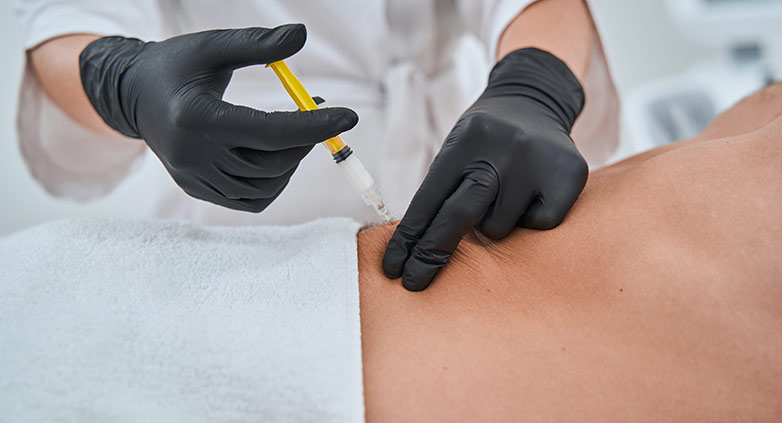
| Injection Lipolysis | No surgery, quick recovery | Works best for small fat bulges, risk of swelling |
| Medication (e.g., GLP-1 agonists) | Can reduce visceral fat and lower disease risk | Needs prescription, may cause side effects |
Selecting the right approach ought to align health objectives and individual requirements. Surgical and non-surgical options have trade-offs. Some want rapid, long-term outcomes and others opt for less recovery or are trying to avoid surgery.
No answer suits all cases. A physician or expert can assist you in locating the best strategy. They can factor in health history, type of fat, and your goals to direct what’s safe and effective.
Conclusion
Subcutaneous fat lies just beneath the skin, whereas visceral fat envelops organs deep within the abdominal cavity. Liposuction targets only subcutaneous fat, not visceral fat or the fat around organs. Visceral fat is associated with health hazards, such as cardiovascular issues and hyperglycemia. Reducing this fat requires consistent behaviors, including daily walks, nutritious meals, and good sleep. Surgery can contour your appearance, but it doesn’t solve underlying health problems. If you want to experience long-term gains, commit to a complete plan that aligns with your lifestyle and health objectives. For a more realistic chance at actual change, consult a health professional or establish a plan that suits you.
Frequently Asked Questions
What is the difference between subcutaneous fat and visceral fat?
Subcutaneous fat lies below the skin, whereas visceral fat envelops organs within the abdomen. Visceral fat is associated with greater health risks than subcutaneous fat.
Can liposuction remove both subcutaneous fat and visceral fat?
Liposuction exclusively eliminates subcutaneous fat. It does not touch visceral fat, which is deeper and wraps around internal organs.
Why is visceral fat considered more dangerous than subcutaneous fat?
Visceral fat increases the risk of heart disease, diabetes, and other serious health problems. It impacts organ function and can initiate inflammation.
What are safe ways to reduce visceral fat?
You can reduce visceral fat through a nutritious diet, physical activity, and overall good habits. Medical procedures such as liposuction do not eliminate visceral fat.
Does liposuction improve metabolic health by removing fat?
Liposuction reshapes by removing subcutaneous fat but doesn’t improve metabolic health because it doesn’t touch visceral fat.
How can I know if I have too much visceral fat?
If you have a large waist size and a high BMI, you could be carrying too much visceral fat. Only imaging tests like MRIs or CT scans can verify it.
Are there non-surgical ways to reduce both fat types?
Yes. Good nutrition, exercise, and weight loss can diminish both subcutaneous fat and visceral fat.