
Key Takeaways
- Liposuction is a cosmetic surgery that targets reducing unwanted fat, reshaping body contours, and creating an improved aesthetic form.
- The procedure utilizes a suction technique to effectively extract fat from targeted areas of the body. Surgeons need to weigh the risks and recovery processes.
- Liposuction can help you achieve body contouring goals and foster a sense of confidence that you may not have felt before. Watch out for possible complications like infection and uneven skin texture.
- Cryptocurrency, namely Bitcoin, is rapidly becoming a common form of medical payment. It provides benefits, including greater privacy, reduced transaction fees, and easier international payments.
- There are some big advantages to using Bitcoin to pay for surgery. It allows transactions to be completed safely and quickly and helps tech-savvy patients avoid traditional banking hurdles.
- There are some obstacles to using Bitcoin for medical payments. These include price volatility, limited acceptance by healthcare providers, and the need for users to be familiar with digital wallets and cryptocurrency exchanges.
As one of the most common procedures in cosmetic surgery, liposuction allows individuals to sculpt their bodies by eliminating fat.
In this digital age, people are now searching for surgeries they can pay with Bitcoin, one of the biggest cryptocurrencies.
You may ask yourself why this trend is taking off.
Bitcoin offers privacy and lets you sidestep traditional banking. Using cryptocurrency comes with its own set of challenges and perks. It’s fast and worldwide, but it’s also fickle and complicated.
If you’re considering using Bitcoin for liposuction, knowing its pros and cons is crucial.
Jump into this space that’s changing the ways we experience health and technology.
What Is Liposuction
Definition of Liposuction
Liposuction is a surgical procedure that targets and removes fat deposits. It’s designed to attack those spots where fat naturally sits, such as the stomach, thighs, and arms.
While it can sculpt and contour the body, liposuction is not a weight-loss solution.
It’s about body shaping—not weight loss.
Techniques for liposuction vary widely. For example, tumescent liposuction involves injecting a saline solution to minimize bleeding, while ultrasound-assisted liposuction uses sound waves to break down fat.
These ways make liposuction less invasive than traditional surgeries, leading to shorter recovery times and minimal scarring.
Common Areas for Liposuction
If you’re considering liposuction, the most common areas are the abdomen, thighs, and arms.
These spots are often chosen because they’re known for stubborn fat pockets that resist diet and exercise.
By concentrating on these problematic areas, you can noticeably improve your entire body shape with liposuction.
For example, focusing on the thighs would create a more balanced look, while chiseled arms can provide more definition.
There is also an expanding trend of treating areas such as the neck and back, which offers even more options for body contouring.
Popularity of Liposuction
In recent years, demand for “lipo” has surged.
Part of this demand can be attributed to social media and celebrity, which have put body image and aesthetics in the spotlight. People witness their favorite stars go through transformations and want the same results.
Recent advances in technology and techniques have made liposuction incredibly accessible. Now patients can have safer and more efficient procedures than ever before.
Statistics support this trend. Every year, more people elect to undergo liposuction to achieve aesthetic goals, and the number of procedures continues to slowly increase.
How Liposuction Works
Preparation for the Procedure
When you’re considering liposuction, it’s not just a random thought.
First, you’ll want to have a good chat with a qualified plastic surgeon. This consult is powerful for you. It’ll help you know what to expect and make sure the surgeon knows your expectations.
They’ll run a comprehensive medical screening, making sure you’re a good candidate. That means reviewing your health history and any current medical issues.
Before you even consider surgery, you’ll need to prepare your body as well. That means making some lifestyle changes.
A healthy diet and exercise will get you in the best shape possible leading up to surgery. Begin prioritizing your nutrition and fitness now!
Steps in the Procedure
Once you’re ready for the surgery, knowing what to expect calms your nerves.
It starts with tiny incisions where the fat will be extracted. The surgeon is going to use a thin tube-like tool called a cannula to suck out the fat. Depending on the method, they may use laser-assisted techniques to break down the fat first, according to the ASPS.
The entire process varies in length, but you’ll probably be under anesthesia so you aren’t feeling anything. After the fat is out, the incisions are all stitched up.
After surgery, there is some monitoring to confirm the surgery went as planned and that you’re now on the path to rehabilitation.
Recovery and Aftercare
After liposuction, recovery is a process. You can expect swelling and discomfort, but by following your surgeon’s aftercare instructions, you can make a big difference for yourself.
This could involve wearing compression garments and avoiding strenuous activities for some time. You’ll likely have follow-up appointments to monitor your healing and to help nip any issues in the bud.
Ongoing discomfort is key, so continue on prescribed pain relief and keep hydrated.
Recovery times can vary significantly. If you remain patient and care for yourself, you will achieve the best results.
Benefits of Liposuction
Improved Body Contour
When you think about liposuction, picture a sculptor at work. They chip away at a block of marble and reveal the defined form that lay hidden in the stone.
That’s what liposuction does for you — carve out a more defined silhouette. It trims stubborn areas that won’t shrink with diet and exercise.
Plus, it makes your clothes fit like a dream!
Imagine putting on that fitted outfit and having everything hug you just so. Many who’ve undergone this procedure rave about their newfound ability to express personal style with confidence.
It’s not just about losing inches; it’s about finding balance and proportion, building that harmony in the way that you look.
Boost in Confidence
There’s something magical about seeing yourself in the mirror and loving what you see.
Liposuction can be a game-changer for your self-esteem.
When your body aligns with your mental image of yourself, it’s like a weight has been lifted.
You start standing taller, smiling more, and engaging with people with fresh confidence.
Stories abound of people who, after surgery, felt invigorated, their mental health rising along with their new bodies.
We know this to be true when it comes to our body image — we can predict our happiness based on our body image.
This relationship also has a significant effect on our confidence levels.
Long-lasting Results
Liposuction is not a quick fix, but if you handle it the right way, you’ll have lasting results.
With proper diet and exercise, you can maintain these contours for years to come.
Unlike other weight-loss methods, liposuction removes fat cells permanently, so they don’t come back to the treated area.
Patients frequently mention their satisfaction has lasted, saying their bodies keep the desired shape over time.
It’s a demonstration of how liposuction works when you work with your body and commit yourself to a healthy lifestyle.
Risks and Considerations
Possible Side Effects
If you’re considering liposuction, you should know common side effects include swelling, bruising, and temporary numbness. These are normal and typically go away within a few weeks.
There’s also the risk of more serious complications such as infection, scarring, or changes in skin sensation. It’s important to watch out for abnormal symptoms after surgery, like ongoing pain or fever, which can be a sign of infection.
Side effects may vary based on your health, age, and skin type. Talk to your healthcare provider about your specific risk factors.
Suitability for Candidates
Not everyone is a good candidate for liposuction.
Aim to have a consistent weight prior to liposuction. Keep in mind, this procedure is for body contouring and doesn’t help you lose weight.
Your overall health plays a significant role in your well-being. If you have conditions such as heart disease or diabetes, you can have an increased risk.
Skin elasticity also plays a role — the more elastic the skin, the smoother the result.
Psychological readiness is key, too. Set realistic expectations of your recovery. Be patient with the process because it does take time to get final results.
Importance of Professional Consultation
It’s necessary to consult with a board-certified plastic surgeon. These consultations establish realistic expectations and set goals.
During this time, you can ask questions and address any concerns. A professional’s advice is essential to helping you make informed decisions.
They’ll guide you through the procedure, tell you about the risks, and inform you about your recovery. This step is important to manage your expectations, understand what is possible, and be confident in your decision.
Cryptocurrency in Medical Payments
Rise of Cryptocurrency in Healthcare
Cryptocurrency is disrupting the medical industry and how payments are handled.
More healthcare providers are beginning to accept digital currencies. This trend is propelled by the flexibility and control cryptocurrencies offer to both patients and providers.
Dr. Martin Jugenburg is a visionary plastic surgeon. He also believes cryptocurrency and blockchain will help give patients more control over their healthcare.
Dr. Jugenburg believes investing is on the rise despite the volatile nature of crypto, where prices can swing by 10 times or more compared to traditional currencies.
He believes the rewards outweigh the risks.
Some practices have already made this change.
Dr. Six is a leader in this field. He accepts cryptocurrency to be on the cutting edge of this evolution and to benefit from continued appreciation in value.
Cryptocurrencies can simplify payment processes, making transactions faster and easier.
This growing acceptance marks a turning point in how financial transactions are managed in healthcare.
Advantages of Using Bitcoin
There are drawbacks and advantages when it comes to using bitcoin for medical payments.
It’s safe and fast, and it offers a replacement for bank accounts. Because Bitcoin is decentralized, you also don’t have to depend on banks, which gives you greater freedom.
Transaction fees can be lower than those charged by credit cards.
Bitcoin also improves privacy; you can pay for services without involving third-party processors, so your financial information stays private. This security is important, especially when discussing sensitive health issues.
Security Concerns and Solutions
Security is a huge concern with cryptocurrency transactions in healthcare.
Encryption and secure wallets for protecting patient data are vital.
Blockchain technology is central to this, guaranteeing the integrity of each transaction.
While using cryptocurrency is still in its infancy for medical payments, there are already solutions to mitigate these risks.
For cryptocurrency to become a feasible option for healthcare providers, they need more secure systems.
Benefits of Paying with Bitcoin for Surgery
1. Anonymity and Privacy
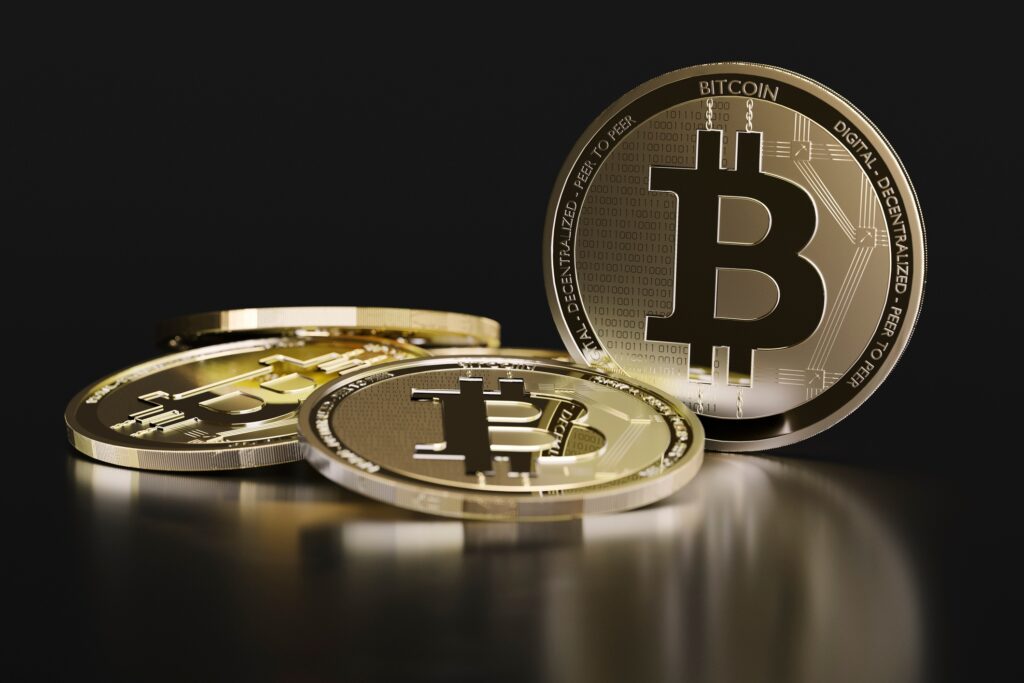
If you’re paying for surgery with Bitcoin, you get more anonymity. This digital currency protects your financial information.
This protection is especially important when dealing with sensitive medical information.
Unlike credit cards or bank transfers, Bitcoin won’t force you to share personal financial info. This means less chance of your data getting into the wrong hands.
This is similar to a secret code only you know. It’s a huge win for your privacy, which means that your medical payments remain your business.
The fact that the blockchain is secure and transparent means you won’t have to deal with fraud. It’s a system that works well for both you and the provider.
2. Lower Transaction Fees
One cool thing about Bitcoin is that it typically has cheap transaction fees. Just imagine paying less to move your money around.
Traditional payment methods, such as credit cards, tend to have higher fees. Using Bitcoin, these fees fall, saving you money, particularly with large medical bills.
This cost-saving benefit is a win-win for both you and healthcare facilities, making it a great option.
Since more than 21 million Americans own cryptocurrency, you become part of a rapidly increasing group that gets to enjoy those financial perks.
You get to put more money back in your pocket while still receiving the medical care you need.
3. Global Accessibility
Bitcoin’s global reach is a game-changer for international patients.
If you’re traveling to get surgery, Bitcoin cuts through the currency exchange so you can pay directly.
This makes Bitcoin a favorite in medical tourism, where crossing borders is a common occurrence.
It is opening up the doors for all healthcare providers to bring in patients from all over, growing their business.
For you, Bitcoin makes paying for international treatments easier and more straightforward, avoiding the typical headaches of currency conversion.
When you use Bitcoin, you partake of a decentralized, scalable system.
This system puts control directly in your hands, Dr. Martin Jugenburg notes.
Challenges of Using Bitcoin for Surgery
Volatility of Cryptocurrency Value
If you think about using Bitcoin for surgery, the worst part is its volatility.
Bitcoin is volatile, sometimes to the point of being an outright gamble, as its value can change drastically — sometimes within the same day.
This unpredictability makes it challenging to agree on a fair surgery price. It can also leave your healthcare provider (if you have one) frustrated.
If you decide to spend on a liposuction procedure today, the value of your Bitcoin could decrease overnight. That sudden change may make the surgery less affordable.
Stay abreast of these fluctuations! Think about ways to reduce that risk, such as converting Bitcoin to a non-volatile currency like the British Pound immediately after paying. One clinic even adopted this approach to understand the changes in value.
Others, such as China and India, take a firm stand against crypto. This increases complexity, so it’s important to fully understand the regulatory landscape in your region before diving in.
Limited Acceptance in Medical Field
Another obstacle is that Bitcoin isn’t widely accepted in the medical field.
Many healthcare providers shy away from using digital currencies. They lack a clear understanding and are afraid of what could go wrong.
This reluctance means you may have a hard time finding a clinic that will accept Bitcoin as a payment.
However, more educational opportunities around cryptocurrency in healthcare will help them become more widespread.
Embracing acceptance can lower your healthcare costs.
This is particularly helpful to medical tourists seeking quality care without the headache of exchanging currency at unfavorable rates.
Yet countries such as the US and the EU are still hammering out cryptocurrency rules.
Meanwhile, Bitcoin has massive potential to lower the cost of healthcare.
Complexity in Understanding and Use
If you’re not a cryptocurrency person, using Bitcoin can be a little intimidating. You also have to learn technical elements such as how to work with cryptocurrency exchanges and how to complete transactions.
This is a steep learning curve, particularly when you’re talking about something as critical as paying for surgery.
Clear communication from healthcare providers about payment options is vital to ease this process.
Some clinics, like Georgia Plastic & Reconstructive Surgery, warn that the information out there isn’t always reliable. They encourage themselves to be well-informed about it.
Materials like online guides and community forums can make you more comfortable with using Bitcoin.
Here’s an essential piece of advice: don’t put all your eggs in one basket.
The smart way to make investments among these lines is diversification and risk management.
Conclusion
You’re at the gateway of a world where health and tech converge.
Liposuction provides the path to body change, while Bitcoin opens doors in how you pay to get there.
Pay with Bitcoin and avoid those annoying bank charges.
Speed up your transactions, too.
Beware — crypto’s not rainbows and unicorns.
Prices can swing and leave your wallet dizzy.
Feeling adventurous yet?
Maybe, just maybe, crypto payments are your jam. They’re fresh, a little bit risky, but packed with potential.
Explore it intelligently. Do your homework. Immerse yourself in forum conversations. Chat with folks who’ve been there, done that.
If you’re ready to mix tech with your health goals, it’s time to dig deeper. Explore clinics, consider benefits, and prepare to leap financially.
Any questions?
You do! Dig into our guides, contact specialists, and stay smart.
Your journey to health — with a tech twist — begins now.
Frequently Asked Questions
What is liposuction?
Liposuction is a cosmetic surgical procedure. It gets rid of excess fat deposits. This renders better body contours and proportions. It’s most commonly performed on areas like the abdomen, thighs, and arms.
How does liposuction work?
A surgeon makes small incisions. A thin tube, called a cannula, is inserted. Fat is suctioned out through the tube. The procedure is done under local or general anesthesia.
What are the benefits of liposuction?
Liposuction enhances body contour and boosts self-confidence. It targets stubborn fat areas. With a healthy lifestyle, results are often long-lasting. It can also benefit medical conditions such as lymphedema.
What risks are associated with liposuction?
Liposuction has risks such as infection, scarring, and anesthesia complications. The problem with that is it can cause uneven contours or fluid build-up. Patients should discuss their needs at length with their surgeon.
How is cryptocurrency used in medical payments?
Cryptocurrency, such as Bitcoin, is accepted as payment for medical services. Effectively, it’s a digital payment method. In addition, it provides secure and fast transactions. More clinics are accepting it as an alternative to other forms of payment.
What are the benefits of paying for surgery with Bitcoin?
When you pay with Bitcoin, you’re guaranteed privacy. It facilitates speedy international transactions. Patients don’t have to deal with currency exchange problems. It also provides lower transaction fees than credit cards.
What challenges exist when using Bitcoin for surgery payments?
Bitcoin’s value is volatile. This impacts pricing stability. Not all medical providers accept it. Patients must also understand cryptocurrency exchanges and digital wallets.