
Key Takeaways
- The Brazilian Butt Lift (BBL) may currently be the most popular form of cosmetic surgery to enhance the size and shape of buttocks using fat transfer techniques. The process involves using liposuction to extract fat from other parts of your body. This harvested fat is then used for augmentation, bringing in those seeking a more curvy figure.
- BBL’s popularity has taken off, largely due to celebrity endorsements and media portrayals. Social media is key in glamorizing this procedure and making it a beauty standard.
- Media plays a major role in shaping beauty standards. Yet it continues to push heavily edited images that promote these unrealistic body standards, influencing public perception on cosmetic surgery procedures such as the BBL.
- Social media platforms amplify beauty standards through curated content, with algorithms often prioritizing certain body types, influencing user perception and self-image.
- Unattainable beauty standards contribute to mental health disorders including anxiety and depression. We must be prepared to engage with these issues when we talk about beauty standards.
- Promoting body positivity, encouraging media literacy, supporting mental health resources, and advocating for diverse representation in media are vital steps toward establishing healthier beauty standards.
Understanding the connection between Brazilian Butt Lift (BBL) procedures and media portrayal shows the need for an honest discussion about beauty standards. When the media glorifies body types that are unattainable for most, many feel pressured to undergo cosmetic procedures, such as BBLs, to achieve these standards.
Our society continues to be inundated with images upholding a very white, very thin ideal of beauty, negatively impacting our perceptions and self-esteem. With the advent of social media platforms, these ideals are amplified, affecting people of all ages, genders, races, and sizes.
Understanding how media has contributed to these standards can help us understand the pressures people are under to try to achieve these standards. Getting a sense of this dynamic can give us a picture of the changes required. Only then can we work to create a broader, more inclusive understanding of beauty for all people.
What is BBL?
Define BBL
BBL, or Brazilian Butt Lift, is a cosmetic surgery procedure that improves the shape and size of the buttocks using fat transfer techniques. This cosmetic procedure relies on liposuction techniques to eliminate fat from the body, typically from the abdomen or thighs.
Then, that fat is injected back into the buttocks to achieve a more voluptuous figure. Since the Brazilian Butt Lift (BBL) is a minimally invasive procedure, the fat grafting process is quite appealing.
By utilizing the body’s own fat, it eliminates the use of implants. Recovery usually consists of several weeks of rest, with swelling and bruising eventually going away.
Results are typically a smoother, more contoured silhouette, which meets many patients’ aesthetic desires. More and more people are jumping on the Brazilian Butt Lift (BBL) bandwagon. They want to improve the shape of their body for their own happiness and societal acceptance.
Explain Popularity of BBL
Today, the wave of BBL demand is heavily driven by celebrity influence and media representation. Celebrities like the Kardashians openly sharing their experiences have made such procedures more mainstream, leading millions to believe they, too, need similar enhancements.
More specifically, social media platforms like TikTok and Instagram glorify BBL by posting incredible pre- and post-op shots. They present it as a safe, simple, time-efficient solution to societal beauty standards.
Cultural notions of femininity and beauty matter too, with curvier shapes frequently associated with attractiveness. The weight of these ideals can push people to seek out BBL, often without being aware of all the dangers involved.
Complications such as fat embolism and concern about patient dissatisfaction stress the need for thoughtful deliberation prior to committing to these procedures.
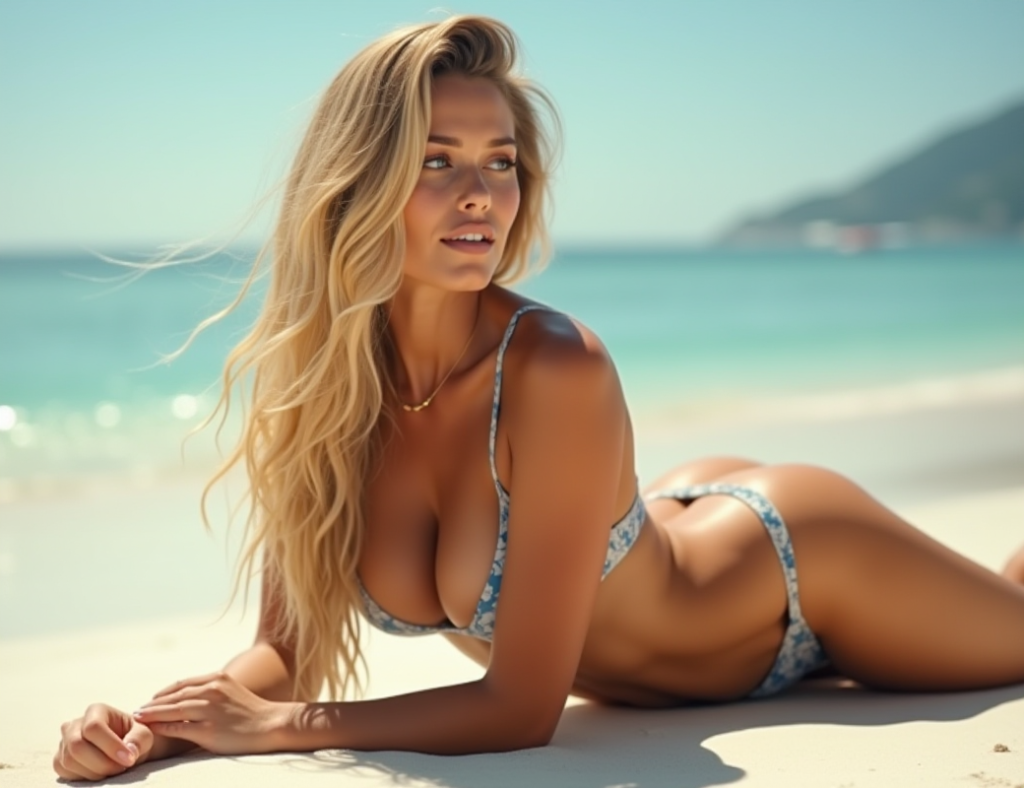
Media Influence on Beauty Standards
Analyze Media Representations
In media, women’s representation has become increasingly objectified, contributing to societal perceptions of what beauty is, and who is desirable. Media frequently ignores all body types, promoting a one-size fits all beauty standard. This can have a severe impact on self-esteem, as movies and television often perpetuate harmful standards of beauty.
The demand for genuine representation is urgent, to represent all body types.
Examine Body Contouring Trends
The popularity of body contouring, including butt enhancements, is linked to societal pressure. Nowadays, these cosmetic enhancements have been completely normalized in pop culture, reflecting how beauty ideals have evolved. Social media’s impact, primarily driven by celebrities and influencers like Kylie Jenner, significantly increases the desire for these body transformation surgeries.
Yet her transformative work encourages conversations on the commodification of bodies. It’s this powerful Kardashian-Jenner influence, mixed with the immediacy of social media, that is pushing plastic surgery trends.
The American Society of Plastic Surgeons recently announced a 20% increase in Brazilian Butt Lifts (BBLs) between 2020-21. This increase is directly connected to increased access to celebrities.
Historically, beauty ideals have shifted, as seen when Queen Victoria’s hourglass figure was once the standard. Today, the BBL shape reigns supreme, largely due to the influence of mainstream media. The body positivity movement continues to advocate for diverse body types to be recognized.
Role of Social Media
Discuss Social Media Platforms
Social media platforms like Instagram and TikTok significantly influence body ideals, particularly by racializing beauty standards. These platforms effectively amplify beauty culture, as their algorithms favor content that aligns with Eurocentric norms. Consequently, body types that reflect popular trends, such as Brazilian Butt Lift (BBL) and butt enhancements, become more prevalent in mainstream media. This intense focus on physical appearance can distort self-perception, often leading to body dissatisfaction among users. The rapid dissemination of beauty trends through social media can drive individuals toward cosmetic enhancements, including surgical procedures that alter their body shape.
Over 70% of young adults acknowledge that social media negatively impacts their generation’s self-image. As a result, there is a growing demand for cosmetic surgeries, particularly those related to body modification trends like BBL. This situation highlights the urgent need for social media companies to take responsibility for the potential complications arising from unrealistic beauty standards. They must promote healthier and more inclusive representations of beauty that embrace diverse body types and challenge the mainstream body image paradigm.
In conclusion, the influence of social media on beauty ideals cannot be underestimated. It drives many individuals to consider cosmetic procedures in their pursuit of idealized beauty. By fostering a culture that values authenticity over unattainable standards, we can work towards a more inclusive beauty industry that celebrates all body shapes and sizes.
Explore Influencer Impact
Social media influencers, whether they intend to or not, significantly shape societal impressions of beauty. Their content often dictates what is seen as attractive, and while some influencers promote body positivity, many endorse unhealthy and unattainable body ideals that adversely affect self-esteem. The influence of cosmetic enhancements in their posts can lead followers to consider cosmetic procedures that may not align with their own body type.
The authenticity of influencer content plays a crucial role in shaping perceptions. When influencers are transparent about their cosmetic surgery experiences, it fosters trust and empowers followers to make informed decisions regarding their own body transformations. Conversely, when influencers conceal their surgical procedures, it can lead to unrealistic expectations among their audience.
This blend of celebrity culture and social media makes trends like butt enhancements, particularly the BBL fashion, incredibly appealing and sought after. The allure of these body modification trends often overshadows the potential complications and the need for careful consideration before pursuing such cosmetic surgeries.
Assess Self-Image Effects
Exposure to social media content has been shown to contribute to comparison anxiety and body dissatisfaction. Looking at perfect pictures on social media can lead to anxiety by creating pressure to live up to these unattainable expectations. This stress has been correlated with increased rates of body dysmorphia.
Even with social media pressuring everyone to look perfect, it’s important to cultivate a positive self-image.
Impact on Mental Health
The connection between unattainable beauty ideals and negative mental health outcomes is undeniable. Scads of young women suffer from body image issues because they feel the need to compare themselves to models who are the exception, not the rule. This constant comparison leads to poor body image and self-esteem, particularly with the rise of cosmetic enhancements that promote unrealistic standards.
High-profile influencers, such as the Kardashians, are chiefly responsible for cementing these body types in our culture through trends like butt enhancements and the Brazilian Butt Lift (BBL). Unfortunately, this promotion has resulted in harmful mental health consequences for many. Social media makes us feel even more inadequate, exacerbating the pressure to conform to new body standards.
Relentless scrutiny and comparison to celebrities such as Kylie Jenner and Nicki Minaj fuel drastic expectations on maintaining and projecting certain appearances. The resultant pressure may cause them to feel regret or the need for further surgical procedures, illustrating grave mental health effects.
Identify Mental Health Concerns
Disorders related to body image are widespread, with disorders such as body dysmorphic disorder impacting upwards of 1 in 50 people. Increasingly, being bombarded by images that represent an unattainable ideal has resulted in acute discontent and social anxiety.
This anxiety is largely due to the constant, impossible pressure to meet unrealistic beauty ideals. Continued awareness and education about the relationship between mental health, body image, appearance, and self-worth is imperative. Knowing all of these things gives you the best chance to identify the signs early on, intervene, and provide support.
Explore Body Image Issues
Societal expectations have a powerful impact on the self-image of all people. Cultural narratives play a huge role in body image issues among all communities. Media representations do little but harm in that regard, directly impacting self-esteem.
Open discussions about the body image challenges presented in today’s society are key. These conversations begin to break down negative stereotypes and encourage youth to have healthier perceptions of themselves.
Solutions for Healthier Standards
1. Promote Body Positivity
The body positivity movement has been instrumental in encouraging the celebration of all body types, moving away from limited and unrealistic beauty standards. Practicing self-love and acceptance becomes essential to overcoming body dissatisfaction.
These successful campaigns such as Dove’s Real Beauty have shaken the foundations and fought for inclusivity in the public eye. Their message rings true, proving beauty is not a one-size-fits-all.
Through self-acceptance, we can all challenge societal expectations and work towards re-defining beauty with a more inclusive lens.
2. Encourage Media Literacy
Consider these strategies:
- Understand photo editing and filtering in media.
- Follow accounts that embrace body positivity.
- Critically analyze media content for its influence.
- Focus on inner qualities over appearance.
By addressing these factors, we can help people develop healthier standards, valuing the real thing rather than the retouched perfection.
3. Support Mental Health Resources
Access to mental health resources is key for anyone dealing with body image issues. Whether group therapy or support groups, they provide a controlled environment for self-esteem building.
Public educational programs improve understanding of mental health issues and stigma. Collaborations between social media platforms and mental health organizations are essential to ensuring that young people receive the support they need and deserve.
4. Advocate for Diverse Representation
Representing a wider variety of body types and ethnicities in television, movies, and advertising helps disrupt and reshape conceptions of beauty. Brands that lead with inclusivity, like Fenty Beauty, for example, challenge and transform the way we think about beauty.
Through these efforts, everyone feels seen and heard, fostering a healthier and more inclusive perception of beauty.
Conclusion
BBL and media constantly reinforce unrealistic beauty standards. Social media exposes us to always-on images of perfection that make us feel like it’s impossible to keep up. Social media makes this worse, inundating young people with harmful mental health trends that bombard their developing minds. Countless others pursue these unattainable standards at the expense of their health. The truth is, change starts with us. We need to be advocates for beauty in a real way. Celebrate all different shapes and sizes. This shift benefits all of us. Urge media to reflect beauty as it really is. It’s time for stricter standards to make a healthier contribution to self-esteem and mental well-being. This change can begin a ripple effect of self-love and acceptance. Join us in creating a world where beauty means all of us. Let us know what you think, discuss this issue with your peers, and be sure to subscribe for more content! By working together, we can create a world where beauty standards are inclusive and celebrate all of us.
Frequently Asked Questions
What is a BBL?
A BBL, or Brazilian Butt Lift, is a popular cosmetic enhancement procedure. This body transformative surgery involves taking fat from different body areas and transferring it into the buttocks, effectively improving the body shape and enhancing the buttocks’ size.
How does media influence beauty standards?
The media often portrays unrealistic body images, influencing beauty industry standards and shaping society’s understanding of idealized body images, which can lead to unhealthy body concerns.
What role does social media play in beauty standards?
Social media is an unforgiving platform that only amplifies beauty standards and influences cosmetic enhancement trends. It is a dangerous tool because it spreads harmful images and body modification surgeries in an instant, exacerbating the pressure to meet these idealized body images.
How can unrealistic beauty standards impact mental health?
We know that exposing youth to unrealistic beauty standards, often perpetuated by celebrity culture and the beauty industry, contributes to body dissatisfaction and low self-esteem. These body ideals can further lead to anxiety and depression, stemming from the mental health issues of comparing oneself to retouched, idealized body images.
What are some solutions for promoting healthier beauty standards?
Encourage body positivity and representation while promoting media literacy to help youth critically analyze unrealistic images of body ideals. Stand by brands that support real beauty, as these common sense steps can be a first step in creating healthier beauty standards.
Is a BBL considered a safe procedure?
Like any cosmetic enhancement, a BBL involves risks and potential complications. It requires the expertise of a skilled plastic surgeon to ensure safety, so discussing these factors with a healthcare provider is essential.
Why is establishing credibility important when discussing beauty standards?
Without credibility, information about cosmetic enhancements is not credible. It better empowers an audience to make smart choices regarding body ideals. Knowledge and experience with beauty standards will build credibility and be seen as a reliable source.