
Dermal adipocyte stem cells are gaining attention for their unique role in skin health and regeneration. These cells not only contribute to fat storage but also play a crucial part in wound healing and tissue repair. Understanding their functions opens doors to innovative treatments for various skin conditions. Researchers are uncovering how these stem cells can enhance cosmetic procedures and improve overall skin quality. The potential benefits of harnessing dermal adipocyte stem cells are exciting, promising advancements in skincare and regenerative medicine. As we dive deeper into their capabilities, it’s clear that these tiny powerhouses could change the way we approach skin health.
Understanding Dermal Adipocyte Stem Cells
Definition
Dermal adipocyte stem cells (DASCs) are a specific type of stem cell found in the skin. They originate from the mesoderm layer during embryonic development. These cells reside in the dermis, which is the middle layer of the skin. DASCs play a crucial role in fat tissue formation and maintenance.
Unique Properties
DASCs have unique properties that set them apart from other types of stem cells. They can differentiate into various cell types, including adipocytes, which store fat. Unlike other stem cells, DASCs exhibit a high capacity for self-renewal. This means they can replicate themselves many times without losing their ability to differentiate.
Another notable feature is their responsiveness to environmental signals. DASCs can adapt to changes in their surroundings, such as hormonal fluctuations or injury. This adaptability is essential for their function in maintaining skin health.
Role in Skin Homeostasis
DASCs contribute significantly to skin homeostasis. They help regulate the balance between fat storage and energy expenditure in the skin. By doing so, they maintain proper skin thickness and elasticity. Healthy skin relies on this balance to protect against external factors.
DASCs also play a role in wound healing. When the skin is injured, these stem cells can quickly proliferate and migrate to the damaged area. They differentiate into adipocytes to restore lost tissue and support regeneration. This process is vital for effective healing and recovery.
Moreover, DASCs help manage inflammation in the skin. They release signaling molecules that can reduce inflammation and promote healing. This property makes them important players in both normal skin maintenance and injury response.
The presence of DASCs also influences other skin cells, like fibroblasts and keratinocytes. Their interactions support overall skin structure and function. For example, they help maintain collagen production, which keeps the skin firm and youthful.
Research shows that aging affects DASC function. As people age, the number of functional DASCs decreases. This reduction can lead to thinner skin and increased wrinkles. Understanding DASCs may lead to new therapies for age-related skin conditions.
In summary, dermal adipocyte stem cells are crucial for maintaining healthy skin. Their unique properties allow them to adapt and respond effectively to changes within the body. By supporting fat storage, wound healing, and inflammation control, they play a key role in skin homeostasis.
Role in Skin Repair
Inflammation Initiation
Dermal adipocytes play a key role in the skin’s response to injury. They quickly initiate inflammation after damage occurs. This response is critical for healing. Upon injury, these cells sense changes in their environment. They release signaling molecules that attract immune cells to the wound site. This process helps kickstart the body’s defense mechanism.
The inflammatory response is essential for clearing debris and preventing infection. It also sets the stage for tissue repair. Without this initial inflammation, healing would be delayed or ineffective.
Lipid Release
After an injury, dermal adipocytes release lipids into the surrounding area. This lipid release is crucial for the recruitment of macrophages, a type of immune cell. Macrophages help manage inflammation and clear out damaged tissue. The lipids act as signals that guide macrophages to the wound site.
Macrophages play multiple roles during inflammation. They engulf pathogens and dead cells, which helps clean the wound. They also release additional signaling molecules that further modulate inflammation. This coordinated effort ensures that inflammation is controlled and effective.
Transformation into Myofibroblasts
As healing progresses, dermal adipocytes transform into myofibroblasts. This transformation is vital for proper wound healing. Myofibroblasts are responsible for producing extracellular matrix (ECM) components. The ECM provides structural support to tissues and plays a significant role in repair.
This change typically occurs a few days after injury. Myofibroblasts help contract the wound, bringing edges closer together. They also produce collagen and other proteins that strengthen the new tissue. This process is crucial for restoring skin integrity.
The transition from adipocytes to myofibroblasts illustrates the versatility of these cells. They adapt based on the needs of the body during different phases of healing.
Lipolysis and Myofibroblast Conversion
Adipocyte Lipolysis
Adipocyte lipolysis plays a critical role in regulating inflammation after an injury. This process involves breaking down stored fats into free fatty acids and glycerol. These substances are released into the surrounding tissue. When adipocytes undergo lipolysis, they help modulate immune responses.
Inflammation is essential for healing but can become excessive. The fatty acids released during lipolysis can influence the behavior of immune cells. They help to attract macrophages to the injury site. Macrophages are vital for clearing debris and pathogens. They also release cytokines that promote further healing.
Macrophage Function
Lipolysis supports macrophage function during skin repair. It provides energy sources needed for macrophage activity. These immune cells require energy to migrate and perform their functions effectively.
Fatty acids from adipocyte lipolysis can enhance macrophage activation. This leads to improved phagocytosis, which is the process of engulfing and digesting cellular debris and bacteria. Activated macrophages also produce growth factors that aid in tissue regeneration.
Research shows that the balance of fatty acids can affect macrophage polarization. This means they can shift between pro-inflammatory and anti-inflammatory states based on the signals they receive. Proper lipolytic activity helps maintain this balance, ensuring effective healing without excessive inflammation.
Myofibroblast Conversion
The conversion of adipocytes into myofibroblasts is another important aspect of skin repair. Myofibroblasts play a key role in wound healing by promoting tissue contraction and remodeling.
During this conversion, adipocytes change their gene expression profile significantly. They start expressing genes associated with myofibroblast characteristics, such as alpha-smooth muscle actin (α-SMA). This protein helps in wound contraction, pulling edges of the skin together.
Research indicates that factors like transforming growth factor-beta (TGF-β) drive this conversion. TGF-β is released during tissue injury and stimulates nearby cells to become myofibroblasts. These new cells contribute to collagen production, aiding in the formation of new tissue.
The transition from adipocytes to myofibroblasts also alters metabolic pathways. Myofibroblasts rely more on glycolysis than lipolysis for energy. This shift supports their increased metabolic demands during wound healing.
In summary, adipocyte lipolysis regulates inflammation and supports macrophage function post-injury. It also facilitates the conversion of adipocytes into myofibroblasts, essential for effective skin repair. Understanding these processes can lead to better therapeutic strategies for enhancing wound healing.
Key Research Findings
Genetic Tracing
Tamoxifen-inducible genetic lineage tracing has become a valuable tool in studying adipocytes. Researchers use this method to track the development of dermal adipocyte stem cells. This approach allows scientists to label specific cells and observe their fate over time. It provides insights into how these cells contribute to tissue repair and regeneration.
Studies show that when tamoxifen is administered, it activates a genetic switch in targeted cells. This leads to the labeling of adipocyte progenitors. As a result, researchers can monitor these cells during various biological processes, including wound healing. The findings suggest that these stem cells play an essential role in tissue maintenance and response to injury.
Single-Cell Analysis
Single-cell RNA sequencing has revealed significant information about adipocyte transformation. This technique analyzes gene expression at the individual cell level. It uncovers how adipocytes change in response to environmental signals or injury.
Findings indicate that adipocytes can differentiate into various cell types during wound healing. They may transform into myofibroblasts, which are crucial for tissue repair. This transformation highlights the plasticity of adipocyte-derived cells. Moreover, researchers have identified specific gene expression patterns associated with this process. These insights help explain how fat cells adapt under different conditions.
Longevity in Wound Beds
Adipocyte-derived cells exhibit notable longevity in wound beds. Studies demonstrate that these cells persist longer than previously thought. They remain active and functional during the healing process.
The behavior of these cells is vital for effective wound healing. They secrete growth factors and cytokines that promote tissue regeneration. Their presence helps coordinate the repair process by interacting with other cell types in the wound bed.
Researchers observed that even after the initial injury phase, adipocyte-derived cells continue to influence healing outcomes. Their sustained activity suggests they play a long-term role in tissue homeostasis.
Practical Applications in Medicine
Inflammatory Diseases
Dermal adipocyte stem cells show promise in treating inflammatory diseases. These cells can produce anti-inflammatory factors. They help regulate immune responses. Research indicates that manipulating these cells may reduce inflammation in conditions like psoriasis and rheumatoid arthritis.
Studies from 2021 highlight the potential of dermal adipocytes in controlling inflammatory pathways. This could lead to new therapies aimed at managing chronic inflammation. Current treatments often focus on suppressing the immune system, which can have side effects. Using dermal adipocyte stem cells may provide a more targeted approach.
Wound Healing
Defective wound healing is a significant issue in aging and diabetes. Dermal adipocyte stem cells play a crucial role in this area. They promote tissue regeneration and repair. Their ability to secrete growth factors enhances healing processes.
In 2020, researchers found that these stem cells improve wound closure rates in diabetic mice models. The study suggests that dermal adipocytes enhance angiogenesis, the formation of new blood vessels. This is vital for supplying nutrients and oxygen to healing tissues.
Older adults often experience slower healing due to decreased cell function. Dermal adipocyte stem cells can rejuvenate skin and accelerate recovery. Clinical trials are ongoing to assess their effectiveness in human patients.
Regenerative Medicine
Adipocyte-derived cells are making strides in regenerative medicine. They offer a source of multipotent stem cells for various therapies. These cells can differentiate into multiple cell types, including cartilage and bone.
Research from 2022 emphasizes their use in reconstructive surgeries. Surgeons can use them to regenerate damaged tissues after trauma or surgery. This application is especially relevant for patients with severe injuries or congenital defects.
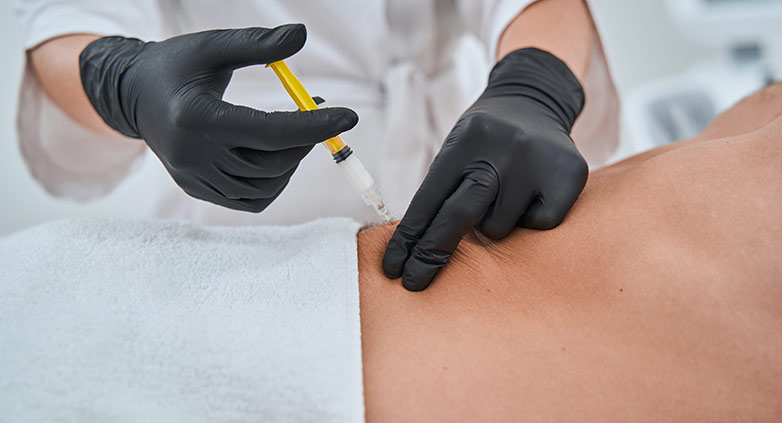
The versatility of dermal adipocyte stem cells makes them valuable in personalized medicine. They can be harvested from a patient’s own fat tissue, reducing rejection risks. This autologous approach leads to safer, more effective treatments.
Summary of Potential Therapies
- Inflammatory diseases: Targeted therapies using dermal adipocytes could manage conditions like psoriasis.
- Wound healing: Enhanced closure rates in aging and diabetic patients through growth factor secretion.
- Regenerative medicine: Multipotent capabilities aid in reconstructive surgeries and personalized treatment plans.
Potential Benefits for Skin Health
Skin Repair
Dermal adipocytes play a crucial role in skin repair mechanisms. They help in the regeneration of skin tissues after injury. These cells release growth factors that stimulate wound healing. They also produce essential proteins that support the structural integrity of the skin.
Research shows that dermal adipocyte stem cells can enhance the healing process significantly. For instance, studies indicate that these cells contribute to faster recovery from injuries. Their presence in the dermis aids in reducing inflammation and promoting new tissue formation.
Chronic Wounds
Chronic wounds pose a significant challenge in healthcare. Dermal adipocyte stem cells offer potential solutions for these difficult cases. They can improve outcomes for patients suffering from non-healing wounds, such as diabetic ulcers.
These stem cells provide a supportive environment for other cells involved in healing. They secrete molecules that attract immune cells to the wound site. This action helps clear out dead tissue and promotes regeneration. Clinical studies have demonstrated that using these cells can lead to better healing rates in chronic wounds.
Anti-Aging Treatments
The benefits of dermal adipocyte stem cells extend into anti-aging treatments as well. These cells are vital for maintaining skin elasticity and hydration. As people age, fat volume in the skin decreases, leading to sagging and wrinkles.
By targeting these adipocytes, researchers aim to restore youthful skin characteristics. Treatments utilizing these stem cells can rejuvenate the skin’s appearance. They may help reduce fine lines and enhance overall texture.
Innovative therapies are emerging that focus on injecting or transplanting these cells into aging skin areas. Early results show promise in improving skin firmness and reducing signs of aging.
Skin Rejuvenation
Skin rejuvenation is another area where dermal adipocyte stem cells shine. These cells can stimulate collagen production, which is essential for youthful-looking skin. Collagen provides structure and strength to the skin.
They enhance blood flow within the dermis. Improved circulation nourishes skin cells and promotes healthier skin overall. Patients seeking aesthetic improvements may find treatments involving these stem cells beneficial.
Emerging techniques continue to explore how best to utilize these beneficial properties. The ongoing research indicates a bright future for their application in dermatology.
Challenges and Limitations
Technical Issues
Studying dermal adipocyte stem cells presents several technical challenges. Obtaining these cells from human skin is complex. Researchers often rely on biopsies, which can be invasive and may lead to complications. The extraction process can also damage surrounding tissues, affecting the quality of the samples.
Culturing these cells in vitro is another hurdle. Dermal adipocyte stem cells require specific growth conditions. These conditions must mimic their natural environment to maintain their properties. Failure to do so can result in altered behavior and characteristics, complicating research outcomes.
Research Gaps
Current understanding of dermal adipocyte stem cells has significant gaps. Limited studies exist on their exact roles in skin health and disease. Most research focuses on their potential benefits rather than their biological functions. This narrow focus hinders a comprehensive understanding of how these cells interact with other skin components.
Methodologies used in current studies also present limitations. Many rely on animal models that do not fully replicate human biology. Results from these models may not translate effectively to human conditions. This discrepancy can lead to misleading conclusions about the therapeutic potential of these cells.
Safety Concerns
Therapeutic use of dermal adipocyte stem cells carries potential side effects and risks. One concern is the possibility of tumor formation. If these stem cells are not properly regulated, they could proliferate uncontrollably, leading to cancerous growths.
Another risk involves immune responses. Transplanting these cells into patients could trigger adverse reactions. The body may recognize them as foreign and initiate an immune attack, causing inflammation or tissue damage.
The long-term effects of using these cells remain unknown. Current studies often focus on short-term outcomes, leaving a gap in knowledge regarding chronic use. Patients may face unforeseen complications years after treatment.
Future Research Directions
Adipocyte Behavior
Further investigation into adipocyte behavior is essential. Understanding how dermal adipocytes respond to various stimuli can provide insights into their functions. Researchers should focus on the environmental factors that influence these cells. This includes studying how different conditions, such as stress or injury, affect adipocyte activity.
Studies could also explore the role of dermal adipocytes in skin health and disease. For example, examining their response to inflammation can reveal potential therapeutic targets. Investigating how these cells interact with other skin components, like fibroblasts and immune cells, may lead to new treatments for skin disorders.
Therapeutic Applications
Optimizing therapeutic applications of dermal adipocytes is another promising area. Current therapies using adipose-derived stem cells (ADSCs) show potential but need refinement. Researchers should evaluate the best methods for isolating and expanding these cells. Identifying optimal conditions for their growth could enhance their effectiveness in regenerative medicine.
Studies should assess the safety and efficacy of using these cells in clinical settings. Long-term effects of dermal adipocyte transplantation must be understood. This includes monitoring potential complications or adverse reactions in patients. Establishing standardized protocols for their use will also improve treatment outcomes.
Genetic Pathways
Exploring genetic and molecular pathways involved in adipocyte transformation is crucial. Understanding the mechanisms that regulate adipogenesis can unlock new therapeutic strategies. Researchers should investigate key genes that govern the differentiation of stem cells into mature adipocytes.
Furthermore, analyzing signaling pathways may identify targets for intervention. For instance, studying how hormones like insulin influence adipocyte function can reveal metabolic implications. Insights from such research may lead to treatments for metabolic disorders linked to adipose tissue dysfunction.
Final Remarks
Dermal adipocyte stem cells play a crucial role in skin health and repair. They help in healing wounds, regulating fat storage, and even converting into myofibroblasts. Understanding their functions can lead to groundbreaking treatments in medicine. The potential benefits for skin rejuvenation and overall health are immense.
As research advances, you should stay informed about the latest findings. These insights could impact your approach to skincare or medical treatments. Embrace the future of dermal adipocyte stem cell research. Your knowledge can empower you to make better choices for your skin health. Keep exploring, and don’t hesitate to seek professional advice on how these developments can benefit you.
Frequently Asked Questions
What are dermal adipocyte stem cells?
Dermal adipocyte stem cells are specialized cells found in the skin’s dermis. They play a crucial role in fat storage and contribute to skin health and repair processes.
How do dermal adipocyte stem cells aid in skin repair?
These stem cells promote healing by differentiating into adipocytes, which help regenerate damaged tissues and enhance skin elasticity and resilience.
What is the relationship between lipolysis and myofibroblast conversion?
Lipolysis in dermal adipocyte stem cells can trigger their conversion into myofibroblasts. This process supports wound healing by facilitating tissue remodeling and repair.
What key findings have emerged from recent research on these cells?
Recent studies highlight their potential in regenerative medicine, demonstrating their ability to enhance wound healing and improve skin conditions through their regenerative properties.
How can dermal adipocyte stem cells be applied in medicine?
They hold promise in treating various skin disorders, enhancing cosmetic procedures, and improving outcomes in reconstructive surgeries by promoting tissue regeneration.
What benefits do they offer for skin health?
These stem cells improve skin hydration, elasticity, and overall appearance. They also play a role in combating age-related changes and promoting youthful skin.
What challenges exist in studying dermal adipocyte stem cells?
Challenges include limited understanding of their mechanisms, difficulties in isolating them, and variability in their behavior among individuals. More research is needed to harness their full potential.