
Key Takeaways
- Sleep apnea is a condition in which a person stops breathing repeatedly during sleep, often because of blocked airways.
- Losing weight can often help reduce sleep apnea symptoms. Eliminating the fat around the neck and throat can help you decrease airway blockage and breathe more freely when you sleep.
- While liposuction effectively removes localized fat, it’s not a standard treatment for sleep apnea. It primarily addresses cosmetic concerns rather than health issues like sleep apnea.
- You can control sleep apnea with a number of alternative therapies. These options include using CPAP machines, making lifestyle changes, and undergoing surgery to remove excess tissue that blocks the airway.
- Managing sleep apnea requires a combination of effective treatments. This includes weight management, positional therapy, and using specialized devices to keep airways open during sleep.
- Talking to healthcare professionals is the most important thing. They can guide you in deciding the optimal treatment plan that’s best suited to your unique circumstances and health factors.
Weight loss can help in sleep apnea; people ask whether liposuction will do the trick.
Sleep apnea messes with your rest and health big time. It’s when your airway gets blocked during sleep.
Weight loss helps, but is it liposuction?
Some studies say liposuction may help, but it is by no means a magical solution. There are other ways to manage sleep apnea, such as a CPAP machine or lifestyle adjustments.
Keep yourself informed and consider your options. Liposuction can be part of the plan, but it’s far from the complete picture. Check out other treatments as well.
Understanding Sleep Apnea
What Is Sleep Apnea?
Sleep apnea is a serious problem, and a lot of people have it.
It disrupts your sleep and makes you feel tired and cloudy the next day.
Imagine needing a nap at your desk or zoning out mid-conversation. That’s not any fun, is it?
It can make you feel like a zombie, with the focus and memory of your brain lagging.
So, if you think you’ve got it, a sleep study is a must. It’s like a sleepover with wires, but at least it tells you what’s up.
Causes of Obstructive Sleep Apnea
Obesity is a major player in obstructive sleep apnea. Excess weight, particularly around the neck, can squeeze your airway.
If your throat muscles relax too much, you may have obstruction while you’re sleeping.
Likewise, if your airway is naturally slender, it can lead to nighttime breathing issues, too.
Throw in smoking and drinking, and it’s like rolling out the red carpet. These habits further relax your throat muscles, resulting in more blocked airways.
Symptoms of Sleep Apnea
Here’s what to watch for: loud snoring, gasping for air, and waking up with a headache.
If your partner’s complaining about your snoring, it might be time to listen.
You feel cranky or struggle to concentrate in the daytime.
Sleep apnea isn’t just about feeling tired — without treatment, it can result in heart problems and strokes as well.
If you often wake up in the night, pay attention. This could be a sign of sleep apnea, even if you don’t remember it happening.
Weight Loss and Sleep Apnea
1. How Weight Loss Affects Sleep Apnea
Losing weight can be a game changer for sleep apnea.
When you lose weight, there’s less pressure on your airways during sleep, which means better airflow. This can reduce the pauses in breathing that occur with sleep apnea.
Studies support this.
One showed an improvement in sleep apnea scores of 31% after folks lost weight. Another study from 2021 found that people had improved breathing after losing some weight.
With less neck fat, the airways are less blocked, so you breathe easier when you’re sleeping.
Losing weight is more likely to help you feel awake during the day given that you’re getting better shut-eye.
Feeling alert and refreshed is a nice bonus when you handle your weight.
2. Benefits of Weight Reduction
There are all kinds of perks when you shed some pounds.
Your ability to sleep can get much better. You’ll also probably have lower blood pressure and a lower risk of diabetes.
Good sleep decreases sleep apnea symptoms. Consequently, you’ll experience a much-needed shot of confidence.
Weight loss can help make you feel good about life.
When sleep apnea symptoms subside, you may enjoy things more and have more energy.
Even losing a little weight can help, so it’s worth a shot.
3. Case Studies and Research Findings
There’s a lot of research showing that losing weight affects sleep apnea. One study even showed significant benefits with modest weight loss.
In 2014, a study from Schwab found that people with sleep apnea have more tongue fat than those without the condition. This finding establishes a link between obesity and sleep apnea.
Some case studies are real-life success stories, and in them real people explain how they successfully alleviated some of their symptoms by losing weight.
Remember, the results can vary. It’s also important to examine your health and what is causing your sleep apnea before making a treatment decision.
Lifestyle changes are usually the first step doctors recommend.
Liposuction and Sleep Apnea
What Is Liposuction?
Liposuction is basically a cosmetic procedure to yank out unwanted fat deposits.
Think of it as a powerful vacuum that seeks out and removes stubborn fat.
It targets those stubborn love handles that don’t seem to budge no matter how much you exercise or do cardio or eat only lettuce.
There’s this classic way of doing it with a tube called a cannula. Then there are the snazzy newer methods like laser-assisted options.
The Smartlipo Triplex uses three different wavelengths to melt away fat. It also tightens the skin and firms up the tissues.
Most people take a few weeks to return to their usual selves after the procedure. If all goes well, the payoff can be quite rewarding.
Research on Liposuction for Sleep Apnea
Some studies suggest neck liposuction may reduce sleep apnea symptoms.
That pesky sleep issue where your airway gets obstructed affects a lot of people with larger necks. For men, that’s often the case for necks measuring 17 inches or more.
As you slim down that neck fat, people say they have better airflow and less awakening at night.
It is not a one-size-fits-all deal. The results may differ, and that’s why there’s ongoing research into how this procedure impacts sleep apnea long term.
It’s just about finding out what works for different people.
Limitations and Considerations
Liposuction is not the magic bullet for sleep apnea. It doesn’t address all causes, such as weak throat muscles or brain signaling issues in other sleep apnea types.
Every surgery comes with risks, whether it’s infection or inconsistent results. That’s why getting a full evaluation is so important.
A doc can help you determine whether neck lipo is a good fit for your specific situation. This step is important.
Other treatments, like CPAP or laser snoring solutions like SleepTight, may be more suitable for you.
Alternative Treatments for Sleep Apnea
Lifestyle Changes for Improvement
I’ve found that lifestyle changes can do wonders for sleep apnea.
First up, weight management.
Even shedding just 10% of body weight can make a huge difference, relieving symptoms such as snoring and daytime sleepiness.
At the same time, 67% of the participants in a study experienced substantial improvement. They reported smaller neck size and fewer sleepy days just as a result of weight loss.
Following a healthy diet and exercising regularly is essential. Try for 30 minutes on most days of moderate activity.
Stay away from alcohol and sedatives. These can worsen sleep apnea by relaxing throat muscles too much.
Instead, aim for a regular sleep schedule. Going to bed and waking up at the same time every day can improve sleep quality and alleviate symptoms.
It’s little changes like this that have a big impact.
Medical Devices and Therapies
When lifestyle changes aren’t cutting it, medical devices often step in.
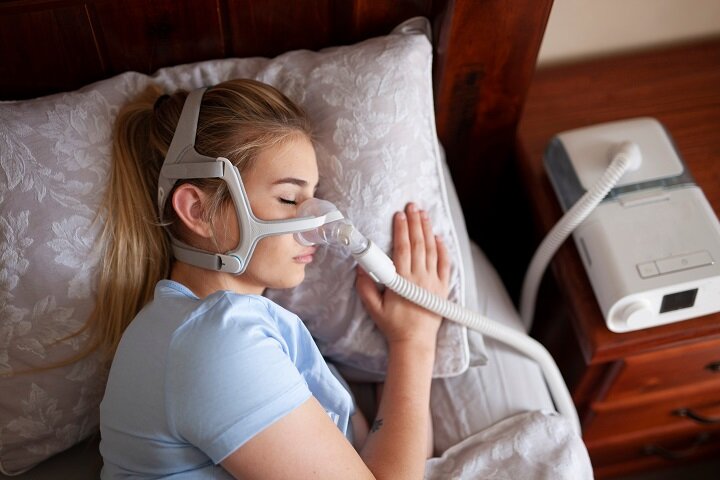
CPAP therapy is a common option and uses a machine to deliver a constant flow of air to keep airways open while sleeping.
Some folks find CPAP machines uncomfortable. That’s where oral appliance therapy comes in.
These devices actively shift your jaw position to help keep your airways open. They can be a great alternative if CPAP isn’t right for you.
Positional therapy is another option. It’s useful for people who find their symptoms are exacerbated when they sleep on their back. Specialized pillows or wearable devices can encourage side-sleeping, reducing symptoms.
There’s also Inspire therapy, which monitors breathing and adjusts airflow automatically, showing promise as an effective alternative.
Surgical Options for Severe Cases
If you have severe sleep apnea, surgery may be an option. Procedures such as uvulopalatopharyngoplasty, or even tracheostomy, can create more space in the airway. Like any surgery, it comes with risks and benefits.
Some may require a combo of surgery and orthodontics, such as in the case of maxillomandibular advancement (MMA) surgery.
A complete evaluation and conversation with a sleep specialist are essential. They can weigh the pros and cons and decide whether surgery is the best path to go down.
It’s a big step, so making sure it’s the right one is key.
Strategies for Managing Sleep Apnea
Healthy Diet and Nutrition
I realized that what we eat has a huge impact on sleep apnea.
Even a 10% loss of body weight can significantly alleviate sleep apnea symptoms.
One study at the University of Pennsylvania used MRI technology to look at the upper airway. They compared the results before and after participants lost weight.
They experienced a reduction in neck circumference, snoring, and daytime drowsiness. It reveals how diet can influence sleep quality and health in general.
Steering clear of big meals before bed also helps avoid sleep discomfort.
If you’re really struggling with weight loss, places like Weight Watchers or Overeaters Anonymous are useful.
Regular Exercise and Physical Activity
Exercise is an important part of managing and treating sleep apnea. Getting into physical activities on a daily basis can help you shed some weight and find better sleep more quickly.
Exercise also helps combat daytime drowsiness which, for most people, is a problem. I’ve also heard about certain exercises that focus on neck and throat muscles — they’re helpful for promoting airway strength.
I came across a really interesting study. It entailed participants with moderate OSAS performing oropharyngeal exercises for 30 minutes a day for three months. The results were remarkable for the large drop in OSAS severity and symptoms.
Therefore, incorporating these exercises into your routine may change the game.
Sleep Hygiene Practices
Setting up good sleep habits can make all the difference.
Making your sleep spot cozy will help you get better rest.
Having a bedtime routine tells your body it’s time to wind down.
Cutting screen time before hitting the sack is also helpful.
Sleep apnea is serious — it can cut down your lifespan by six years.
With these practices in mind, you can get better sleep.
Keeping track of your sleep in a diary could reveal patterns in your rest.
Please make sure you are following up regularly with your healthcare provider.
They assist you in monitoring your progress and modifying your treatment plans when necessary.
Joining support groups lets you share experiences and tips with others in the same boat.
Conclusion
I delved into sleep apnea and liposuction.
We learned that losing weight is beneficial for sleep apnea.
Liposuction may trim fat, but it’s not a cure-all for sleep apnea.
Other treatments such as CPAP machines are still the go-to.
Managing sleep apnea takes a mix of methods.
Lifestyle tweaks, medical help, and sometimes tech play a part.
Everyone’s journey is different, so find what clicks for you.
I realize this is a lot to digest, but don’t let that dissuade you.
Start small, make a plan, and talk with a doc who knows the ropes.
Sleep is huge for your health, so make it a priority.
Have questions? Get in touch with a healthcare pro.
They’re there to guide you.
You can do this!
Take the first step today and say hello to better sleep.
Frequently Asked Questions
Can liposuction cure sleep apnea?
Liposuction isn’t a cure for sleep apnea. It can help with weight loss, potentially easing symptoms. It’s not a panacea by any stretch. For personalized advice on managing sleep apnea effectively, consult a healthcare professional.
How does weight affect sleep apnea?
Excess weight can make sleep apnea worse because it adds pressure to the airway. Losing weight with diet and exercise can help ease symptoms. Liposuction could be part of an overall plan for weight loss alongside lifestyle changes.
Are there alternative treatments for sleep apnea?
Yes, alternatives include CPAP machines, lifestyle changes, positional therapy, and oral appliances. You should consult a sleep specialist to figure out what treatment is best for you. Alternative treatments aim at symptom reduction and better sleep quality.
What are the benefits of managing sleep apnea?
Over time, managing sleep apnea reduces your risks of heart disease, provides better sleep quality, and improves your overall quality of life. It can help you have more energy and focus during the day if you are managing it effectively.” It’s key to long-term health.
Can lifestyle changes help with sleep apnea?
Yes, lifestyle changes such as losing weight, avoiding alcohol, and quitting cigarettes can make a dramatic difference to sleep apnea. Complete sleep health is about incorporating regular exercise and a healthy diet as well.
Is liposuction safe for weight loss?
Finally, liposuction is relatively safe, though still risky if performed by a surgeon who isn’t qualified. It’s a cosmetic procedure, not a weight-loss device. It’s most effective at getting rid of small fat deposits. Make sure you talk to your doctor about the risks and benefits first.
Why consult a healthcare professional for sleep apnea?
Seeing a healthcare provider will help ensure a more holistic treatment for sleep apnea. They can offer personalized advice, suggest suitable treatments, and track progress. Professional guidance is essential to proper management and long-term health.