
Key Takeaways
- Sometimes fat can be resistant to traditional weight loss efforts. From metabolic disorders to hormonal imbalances to lifestyle factors, there’s a reason for this uphill battle. Knowing all of these factors is crucial to creating the greatest reduction of fat.
- These trouble spots are often seen in the abdomen, hips, thighs, arms, and chin. By specifically targeting these stubborn areas, patients can achieve a more sculpted, contoured look.
- Liposuction offers a targeted approach to fat removal, providing immediate results and improved body contours, which can enhance self-esteem and motivate healthier habits.
- Today, several types of liposuction techniques, including traditional, tumescent, laser-assisted and ultrasound-assisted liposuction, match the procedure to your specific liposuction goals. Each treatment option weighs benefits against downtime.
- Safety and recovery are paramount. Our experienced, board-certified surgeons bring the highest level of expertise, while stringent pre- and post-operative protocols help deliver outstanding results with minimal risks.
- Non-invasive approaches are effective on a variety of people. When it comes to stubborn fat, liposuction is typically the better choice, which results in higher patient satisfaction due to its precision and long-term results.
Getting to the bottom of why stubborn fat won’t budge can be confusing. Subcutaneous fat that won’t come off with diet and exercise tends to hang on to the abdomen, thighs, and arms. This may occur because of genetics, age, or hormonal changes, influencing how fat cells both store and release fat.
Fortunately, liposuction provides a practical solution by removing these stubborn deposits. Since the procedure removes fat cells directly, it can reshape the body with much greater precision. It’s the go-to choice for people who want visible, permanent results after other solutions have failed.
Liposuction can help you achieve more sculpted body contours. Though it’s not a substitute for health and wellness, it’s extremely successful at targeting particular trouble areas. This approach makes it easier for you to sculpt the physique that you want.
What is Stubborn Fat
Stubborn fat, often found in areas like the belly, buttocks, and double chin, is made up of those annoying pockets that resist even the most vigorous diet and exercise regimens. These localized fat deposits scoff at your hard work and persistence, making them notoriously difficult to eliminate through traditional weight loss methods. Even with a healthy diet and consistent exercise, you may still struggle with unwanted body fat in specific areas.
Fighting this resistant fat can significantly impact body image and self-esteem. It’s incredibly discouraging to put in the effort and not see the results you hoped for, especially when you know you’ve done everything right. This is where advanced liposuction techniques come into play, offering a targeted fat removal solution that can help reshape your body.
Understanding the reasons behind stubborn fat accumulation is crucial in discovering effective fat reduction procedures like liposuction. This knowledge empowers you to set realistic fat reduction goals and motivates you to pursue treatments that specifically target these areas, improving both your body ratios and overall appearance.
Ultimately, successful liposuction results can lead to enhanced self-confidence and satisfaction with your body. By exploring advanced liposuction options, you can finally tackle those areas of unwanted fat that have long been a source of frustration.
Causes of Stubborn Fat
Stubborn fat doesn’t happen overnight. Metabolic disorders such as hypothyroidism can be a major contributing factor to its build up. Hormonal factors, especially involving insulin, can make you store fat too.
Lifestyle factors like diet and exercise habits can make these problems worse. It’s a tough puzzle, but understanding these causes can put you in a better position to sort through treatments and make smart choices.
Common Areas for Stubborn Fat
- Abdomen
- Hips
- Thighs
- Arms
- Chin
Second to the face, but much rarer overall, are the back and knees. Targeting these stubborn fat areas through advanced liposuction treatments can produce the most effective fat removal results.
Why Stubborn Fat Resists Diet and Exercise
Traditional, non-invasive methods, such as diet and exercise, aren’t able to effectively target these stubborn fat deposits. These techniques usually encourage overall fat loss. They have a hard time addressing stubborn fat that sticks to the belly or thighs.
This can be incredibly disheartening, particularly after you’ve dedicated yourself to eating right and exercising regularly only to still see those stubborn spots persist. Millions of Americans pay a psychological tax for this Sisyphean effort—increased frustration, loss of willpower, a sense of failure.
The concept of spot reduction, or losing fat from specific areas of the body by doing targeted exercises, is a widely held myth. In practice our bodies aren’t that simple. Spot reduction doesn’t work.
Fat loss happens all over the body, not in targeted areas. Biological factors are at work as well. The speed of our metabolism ultimately determines how fast we can burn calories and stubborn fat.
Additionally, as we age, our metabolic rate slows and fat begins to redistribute, creating an even tougher climate to lose that stubborn fat. Muscle mass affects fat loss efficiency too, since muscle burns far more calories than fat.
Hormones, such as cortisol and estrogen, can cause fat storage. One key factor, insulin resistance —particularly if it’s centered around the waist —plays a role in creating stubborn fat.
Genetic predispositions play a role in fat distribution, making it important to take these factors into account when looking to reduce stubborn fat.
How Liposuction Works
Liposuction is a popular surgical procedure designed to remove stubborn fat that resists diet and exercise. It involves a series of well-defined steps, beginning with a consultation where doctors assess the patient’s health and outline the procedure.
The process typically takes 1-3 hours, depending on the treatment area and extent of fat removal. Patients can expect to undergo liposuction in a sterile surgical environment, with options for local anesthesia, sedation, or general anesthesia based on preference and procedure scope.
Pre-operative assessments are crucial for ensuring safety and achieving the best possible outcomes.
Procedure Overview
Liposuction begins with a consultation to determine candidacy and discuss goals. In the operating room, patients encounter a clean, controlled environment where the surgeon makes small incisions to access stubborn fat.
Tumescent liposuction, a common technique, involves injecting a saline solution to break down fat cells, making them easier to remove. This method is effective in sculpting and contouring various body areas such as the abdomen, thighs, and arms.
Post-procedure, patients enter a recovery phase where they might experience swelling and tenderness. Full results become visible after about six weeks, as the body heals and swelling subsides.
Types of Liposuction Techniques
| Technique | Pros | Cons |
|---|---|---|
| Traditional | Simple, well-established | Longer recovery time |
| Tumescent | Reduced blood loss, effective contouring | Swelling during recovery |
| Laser-assisted | Enhanced precision, less bruising | Higher cost |
| Ultrasound-assisted | Smooth results, good for fibrous areas | Risk of burns if not performed correctly |
Each method has its own advantages and disadvantages. For instance, tumescent liposuction is preferred for its precision and less bleeding.
Thanks to technological advancements, safety and results have improved, leading to safer procedures with more refined results and body contouring. Although recovery can vary, it typically takes several weeks.
Therefore, it is crucial to adhere to post-operative care to achieve the best possible results.
1. Benefits of Liposuction for Stubborn Fat
1. Targeted Fat Removal
This is where liposuction really shines, targeting stubborn fat deposits—something dieting and exercising just can’t do. This precision allows you to target and remove stubborn fat from areas such as the abdomen, thighs, and arms.
It customizes the laser treatment for your individual body composition. This laser-focused strategy makes for incredibly gratifying aesthetic results. People can see significant fat reduction after only one treatment session.
Additionally, liposuction can remove fat from several areas at once, providing a holistic approach for individuals seeking to improve their overall look.
2. Long-term Results
Patients are usually so pleased with their immediate, visible outcome that they are inspired to adopt healthier lifestyles to preserve their hard-earned new shape. In contrast to non-invasive techniques that often necessitate multiple treatments, the results from liposuction are enduring, particularly when paired with the maintenance of healthy lifestyle choices.
Countless patients speak to lasting gratification, with reviews extolling the procedure’s long-term effects. This makes liposuction a reliable option for those who have struggled with stubborn fat despite years of dieting and exercise.
Safety and Recovery from Liposuction
Safety Measures
Making sure everyone involved is safe before and during liposuction is imperative. First, it’s important to choose an experienced plastic surgeon. A board-certified surgeon brings years of expertise as well as knowledge of the most current techniques and safety protocols.
Pre-operative education is a major factor. Knowledge of the liposuction procedure and potential risks and outcomes ensures informed decision-making and better preparation both mentally and physically. Some safety protocols that should be followed during the procedure include maintaining a sterile environment, using appropriate anesthesia, and monitoring the patient’s vital signs.
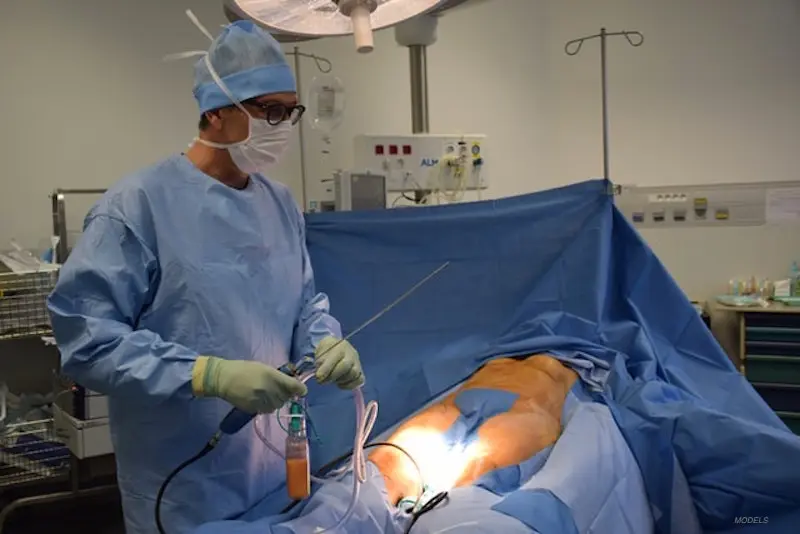
Post-operative care is as important to reduce complications as the procedure itself. Monitor them carefully and be particularly alert for signs of a negative reaction. Monitor for too much swelling, unexpected pain, or signs of infection to identify problems early.
Recovery Process
Recovery after liposuction involves several important steps. Rest and avoid physical activities for about six weeks. Stay hydrated to aid healing. Wear a compression garment to reduce swelling and pain. Patients typically take 1 – 2 weeks off work to recover from this procedure.
It can take about six weeks for swelling and bruising to subside. In fact, you may not notice the complete results for three to six months. Proper post-operative care is essential to ensure that your body heals in the right way.
Managing Side Effects
Swelling, bruising, and discomfort are common side effects after surgery. Effective management is crucial. Patients can ensure these are well managed through open dialogue with the surgeon regarding concerns, by keeping hydrated, and with post-op care advice.
Recovery involves minimizing discomfort, which is mostly done through prescribed medications and rest.
Comparing Liposuction and Non-Invasive Methods
Effectiveness Comparison
Knowing how liposuction compares to non-invasive procedures such as CoolSculpting is important. Liposuction often provides jaw-dropping results with up to 70% of your stubborn excess fat gone. It’s most commonly used in those stubborn locations that don’t respond to diet and exercise.
Liposuction is ideal for larger areas of fat, providing a permanent result with just one procedure. Conversely, with non-invasive options you may need multiple treatments to achieve the same results. The typical patient satisfaction rate heavily favors liposuction, with more than 85% saying they’re happy with their results.
Cost and Accessibility
It’s in the cost where the differences between these methods are the most apparent. Unlike traditional liposuction, non-invasive treatments like CoolSculpting cost between $2,000 and $4,000 per session. Several sessions can be required, comparing to or exceeding liposuction costs in the long run.
Flexible financing options further improve accessibility for liposuction, helping it fit within any budget.
Suitability for Different Individuals
The best method for each patient will vary based on their goals and body types. Liposuction is ideal for people who want to remove a significant amount of fat and are at ease with having surgery.
Those who wish for less downtime, or need less fat removed, will find non-invasive methods more advantageous. Engaging in personalized consultations is key to gauging the best fit, so patients can feel confident that treatment is the right choice for their unique health and aesthetic goals.
| Method | Effectiveness | Cost | Recovery Time |
|---|---|---|---|
| Liposuction | High, dramatic | Higher | Longer |
| Non-Invasive | Moderate, gradual | Lower per session | Shorter |
Conclusion
Liposuction provides a straightforward, effective answer when diet and exercise can’t get rid of stubborn fat that won’t budge. It goes after those stubborn spots, creating dramatic results. Those who choose the procedure often feel the benefits are well worth the greater effort versus non-invasive techniques. You can expect to enjoy a more contoured figure and increased self-esteem.
Safety and recovery time are both important factors. Adhering to post procedure instructions will make for a better recovery. It’s all about choosing the right foods for you, to help you reach your goals while enjoying a healthy active lifestyle.
Thinking about getting liposuction? Consider the pros and cons and discuss with an expert. Find out if it measures up to your hopes and health. Schedule a consultation to learn whether this treatment is right for you and how it can help you achieve your ideal body contour. After all, your journey to looking and feeling great begins with making the right, educated decisions.
Frequently Asked Questions
What is stubborn fat?
Stubborn fat, often found in areas like the stomach, legs, and buttocks, is body fat that resists traditional weight loss methods. This makes it challenging for individuals to achieve their fat reduction goals through regular exercise and a healthy diet.
Why does stubborn fat resist diet and exercise?
Stubborn fat, often found in specific fat deposits, has a lower blood supply than other types of fat, making it a challenging target for traditional weight loss methods and less responsive to caloric expenditure efforts.
How does liposuction target stubborn fat?
Liposuction, a popular fat removal procedure, is designed to remove unwanted body fat via suction, making it highly effective for targeted fat removal. This advanced liposuction technique directly extracts fat cells, resulting in immediate contouring results.
What are the benefits of liposuction for stubborn fat?
Liposuction, a popular fat removal procedure, offers targeted fat removal and immediate results, effectively sculpting the body by addressing stubborn areas that resist traditional weight loss methods like diet and exercise.
Is liposuction safe?
Liposuction, a popular fat removal procedure, is a safe option when performed by an experienced, board-certified cosmetic surgeon. While there are risks involved, complications are uncommon with proper care.
What is the recovery process like after liposuction?
Recovery from the liposuction fat reduction surgery includes getting plenty of rest and wearing compression garments. Swelling and bruising are common side effects, but they typically go down within weeks, allowing you to resume your normal routine.
How does liposuction compare to non-invasive fat reduction methods?
First, compared to non-invasive methods, liposuction treatment offers much more dramatic and immediate results. Additionally, many non-invasive techniques require a series of treatments, leading to more gradual outcomes. Both fat reduction approaches have their advantages based on personal needs and doctors’ orders.