
Liposuction and non-invasive fat reduction have become popular choices for body contouring among cosmetic surgery patients and plastic surgeons as cosmetic surgery procedures and cosmetic treatments. Historically, plastic surgeons utilized liposuction in the late 20th century, offering a surgical solution for stubborn fat and body contour for men. In contrast, non-invasive methods like nonsurgical liposuction gained traction in the 2000s, appealing to those seeking less risk and downtime compared to traditional lipo treatments and traditional liposuction, as well as new fat removal technologies.
Both fat reduction treatment options promise results but differ in approach, with traditional liposuction and nonsurgical liposuction as fat loss methods during recovery. Liposuction delivers immediate and significant fat removal for men, while non-invasive techniques gradually reduce fat with minimal discomfort. Choosing between men for nonsurgical liposuction or the edge liposuction procedure depends on individual goals, lifestyle, and comfort levels. This post dives into the pros and cons of each method, including nonsurgical liposuction and the edge liposuction procedure for men, helping you decide which is right for you.
Key Takeaways
- Liposuction is a surgical option that can provide significant fat removal for men, while non-invasive methods are less invasive and typically involve minimal downtime.
- Consider your goals, men: if you want substantial fat loss, liposuction may be the better choice; for smaller areas or skin tightening, non-invasive options could be sufficient.
- Review the effectiveness of each method; liposuction usually yields faster results compared to non-invasive techniques, which may take multiple sessions.
- Understand the recovery process: liposuction requires more downtime, while non-invasive methods allow you to return to daily activities quickly.
- Explore different non-invasive techniques like CoolSculpting, the edge liposuction procedure, or laser treatments to find the best fit for your needs and comfort level.
- Consult with a qualified professional to discuss your specific situation and preferences regarding the edge liposuction procedure, ensuring you make an informed decision.
Understanding Liposuction
Surgical Procedure
Liposuction is a surgical procedure that removes fat from specific areas of the body. It involves making small incisions in the skin. These incisions are typically less than an inch long. Surgeons use these openings to access the underlying fat.
Fat Removal Process
The liposuction process uses a tube called a cannula. This tube connects to a vacuum device. The surgeon inserts the cannula through the incisions during the edge liposuction procedure and moves it under the skin. As the cannula moves, it breaks up fat cells. The vacuum then removes these cells from the body. This edge liposuction procedure leads to significant fat reduction in targeted areas.
Types of Liposuction
Several types of liposuction exist. Traditional liposuction techniques include tumescent liposuction. This edge liposuction procedure injects a solution into the area before fat removal. This lipo solution helps reduce bleeding and pain during the procedure.
Laser liposuction is another option. It uses laser energy in an edge liposuction procedure to melt fat before suctioning it out. This technique can be less invasive than traditional methods. However, it still requires incisions.
Liposuction Results
Patients often see immediate results after surgery. However, full results of the edge liposuction procedure may take several weeks to appear as swelling decreases. Many people experience permanent fat reduction in treated areas. Weight gain can affect other parts of the body but usually does not reverse liposuction results.
Recovery Process
Recovery from liposuction varies by individual and procedure type. Most patients return home on the same day as the edge liposuction procedure surgery. Some swelling and bruising are common, lasting several weeks. Doctors usually recommend wearing compression garments to support healing.
Patients can generally resume light activities within a few days after the edge liposuction procedure. Full recovery from the edge liposuction procedure may take several weeks, depending on the extent of the surgery. Following post-operative care instructions after the edge liposuction procedure is crucial for optimal results.
Invasive Methods
Invasive liposuction methods carry risks, like any surgical procedure. Potential complications include infection, scarring, and uneven results. Patients should thoroughly discuss these risks with their healthcare provider before proceeding.
What is Non-Invasive Fat Reduction
Definition
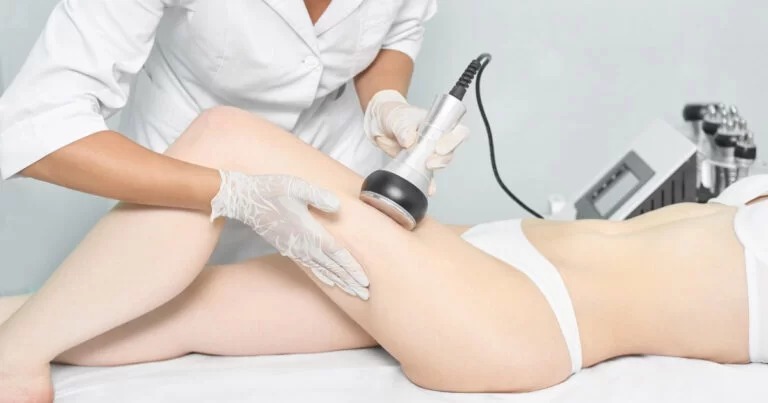
Non-invasive fat reduction includes various nonsurgical reduction procedures. These treatments use methods like lasers, heat, cooling, or sound waves. The goal is to target and destroy fat cells without the need for surgery.
These techniques work by applying energy to the skin’s surface. This energy penetrates the skin and targets fat cells underneath. It causes the fat cells to break down and die. Once destroyed, the body metabolizes these fat cells naturally over time.
Methods
Several popular fat reduction treatments exist today. Some of these methods include:
- Cryolipolysis (CoolSculpting)
- Laser Lipolysis
- Ultrasound Fat Removal
- Radiofrequency Treatments
Cryolipolysis uses cold temperatures to freeze and eliminate fat cells. Laser lipolysis employs laser technology to heat and destroy fat cells effectively. Ultrasound fat removal uses sound waves to break down fat deposits. Radiofrequency treatments apply heat to tighten the skin while reducing fat.
Each of these approaches targets small, stubborn areas of fat. They are ideal for individuals who have specific problem areas that do not respond well to diet or exercise.
Results
Results from fat removal treatments vary by individual. Many patients experience a noticeable reduction in fat after just one session. However, some may require multiple sessions for optimal results.
Patients often see changes within weeks after treatment. The full effects may take several months as the body continues to metabolize the destroyed fat cells.
Safety is another significant factor with non-invasive techniques. Most patients report minimal discomfort during and after treatment. Side effects are usually mild and may include redness or swelling at the treatment site.
Suitability
Non-invasive fat reduction is suitable for many people. Ideal candidates are those close to their target weight but struggle with localized fat deposits. These procedures are not substitutes for weight loss but can enhance body contour.
Individuals should consult with a qualified professional before starting any fat reduction therapies. A thorough assessment can help determine which method aligns best with their goals and body type.
Comparing Effectiveness
Liposuction Benefits
Liposuction is a surgical procedure. It effectively removes large amounts of fat from specific areas. This method works best for patients with significant fat deposits. Areas like the abdomen, thighs, and hips often respond well to this treatment. The results are noticeable after just one session. Many patients see a dramatic change in their body shape immediately.
Results from liposuction can last long if a healthy lifestyle is maintained. Patients typically enjoy a more contoured figure without needing multiple treatments. This makes it a preferred choice for those wanting quick and effective results.
Non-Invasive Options
Non-invasive fat reduction methods include techniques like CoolSculpting and laser fat removal. These methods do not require surgery or downtime. However, they may not be as effective for larger areas with significant fat deposits. Many patients need several sessions to achieve desired results. Each session targets small areas, so it takes time to see changes.
These treatments are appealing due to their convenience. Patients can return to daily activities right after the procedure. However, achieving noticeable results often requires patience and commitment.
Time Considerations
Time plays a crucial role in choosing between these two options. Liposuction provides quick results with one procedure. Patients can expect to see changes almost immediately after surgery. Recovery time varies but is generally manageable.
In contrast, non-invasive treatments take longer to show full effects. Patients might need to wait weeks or even months to see final results. This timeline can be frustrating for those wanting immediate change.
Cost Factors
Cost is another important factor when comparing these methods. Liposuction usually has a higher upfront cost due to its surgical nature. However, since it delivers quick results, some consider it worth the investment.
Non-invasive methods may seem cheaper initially, but multiple sessions can add up quickly. Patients should weigh the overall costs against their budget and goals.
Personal Goals
Personal goals also matter when deciding between liposuction and non-invasive options. Those seeking significant fat removal may find liposuction more suitable. Others who prefer gradual changes might choose non-invasive techniques.
Understanding personal preferences helps in making an informed decision. Consulting with a qualified professional can provide valuable insights tailored to individual needs.
Levels of Invasiveness
Surgical Nature
Liposuction involves a surgical procedure. It requires incisions to remove fat from specific areas of the body. Surgeons make small cuts in the skin to insert a cannula. This tool helps suction out unwanted fat. The process is effective but does come with risks.
Non-invasive fat reduction methods do not require any cuts. Techniques like CoolSculpting or laser therapy use heat or cold to target fat cells. These treatments destroy fat without surgery. Patients can achieve noticeable results without enduring the invasiveness of liposuction.
Recovery Time
Recovery time differs significantly between the two options. After liposuction, patients often need several weeks to heal fully. Swelling and bruising are common after the procedure. Many people experience discomfort during this period. They may require pain medication to manage their symptoms.
In contrast, non-invasive treatments usually have minimal recovery time. Most patients return to their daily activities immediately after these procedures. Some might experience minor redness or swelling, but these symptoms typically resolve quickly. This convenience makes non-invasive methods appealing for those with busy lifestyles.
Potential Complications
Liposuction carries potential complications due to its surgical nature. Risks include infection, excessive bleeding, or adverse reactions to anesthesia. Some patients may develop uneven results or contour irregularities. These issues can lead to additional procedures for correction.
Non-invasive methods generally have fewer risks associated with them. Serious complications are rare. Most side effects are mild and temporary, such as slight swelling or numbness in the treated area. Patients often appreciate this lower risk when considering their options.
Choosing the Right Method
Choosing between liposuction and non-invasive fat reduction depends on individual needs and goals. Those seeking significant fat removal may prefer liposuction despite its invasiveness. On the other hand, individuals wanting subtle changes may find non-invasive options more suitable.
Consulting a qualified professional is essential before making a decision. They can assess your situation and provide personalized recommendations based on your health and aesthetic desires. Understanding the levels of invasiveness helps in choosing the right method for effective fat reduction.
Expected Results
Liposuction Outcomes
Liposuction provides immediate and noticeable results. Patients often see significant changes right after the procedure. Surgeons remove fat cells through a tube, which leads to a more sculpted body shape. This method works well for those targeting specific areas like the abdomen, thighs, or arms. The effects can last if patients maintain a healthy diet and exercise routine.
However, there are risks involved. Complications can occur, such as swelling or infection. Recovery time varies but is usually around two weeks. Men and women should consider their lifestyle before opting for this invasive procedure.
Non-Invasive Effects
Non-invasive fat reduction methods offer gradual results. Patients typically notice changes over several weeks or even months. Techniques like CoolSculpting freeze fat cells, which the body then naturally eliminates. These procedures require no downtime, making them appealing for busy individuals.
Results may vary based on the number of sessions completed. Some people may need multiple treatments to achieve desired outcomes. Non-invasive options work best for small areas of fat rather than large amounts. Those with larger fat deposits might find these methods less effective.
Comparison of Procedures
Both liposuction and non-invasive methods have distinct advantages and disadvantages. Liposuction yields quicker results but comes with higher risks and longer recovery times. Non-invasive procedures carry fewer risks but require patience for visible changes.
Each option has its place in body contouring. People seeking immediate transformation may lean towards liposuction. However, those preferring a gentler approach might choose non-invasive techniques.
Patients must evaluate their personal goals and health status before deciding on a procedure. Consulting with a qualified professional can help clarify which option aligns best with their needs.
Downtime and Recovery
Liposuction Challenges
Liposuction requires significant downtime. Patients often experience swelling and bruising after the treatment. Pain can last for several days, making everyday activities difficult. Full recovery may take weeks. During this time, patients must avoid strenuous exercise. They should also follow specific aftercare instructions to minimize complications.
Infection is a potential risk with liposuction. While rare, it can occur if proper hygiene is not maintained. Patients must monitor their incisions closely for signs of infection, such as increased redness or discharge. These factors can add stress during the recovery period.
Non-Invasive Benefits
Non-invasive fat reduction methods offer a different experience. These treatments allow patients to return to normal activities almost immediately. Many people resume their daily routines right after the procedure. This quick recovery is appealing for those with busy schedules.
Minimal pre-procedure preparation is needed for non-invasive options. Patients often just need to arrive at the clinic without extensive planning. This makes these treatments more convenient for many individuals.
Comparing Experiences
The experiences of liposuction and non-invasive fat reduction vary greatly. With liposuction, patients face a longer recovery time. They deal with swelling and pain that can affect their quality of life temporarily. In contrast, non-invasive methods provide immediate results without significant downtime.
Patients considering these options should weigh their choices carefully. Those who prefer a quick return to normalcy might lean towards non-invasive treatments. However, those looking for more dramatic changes may opt for liposuction despite its challenges.
Making the Right Choice
Choosing between liposuction and non-invasive fat reduction depends on individual needs. Patients should consider their lifestyle and how much downtime they can manage. Consulting with a qualified professional is essential in making this decision.
They can provide guidance based on personal health history and goals. Understanding the recovery process for each option will help individuals make informed choices.
Types of Non-Invasive Techniques
Common Techniques
Many people seek noninvasive procedures for fat reduction. Some popular options include personalized liposuction plans Orlando, Exilis, i-Lipo, Liposonix, and CoolSculpting. Each of these treatments targets fat without the need for surgery. They are appealing due to their shorter recovery times compared to invasive procedures.
Exilis uses radiofrequency technology to heat and destroy fat cells. This method also tightens the skin. i-Lipo employs low-level laser therapy to break down fat cells. Patients often find this technique comfortable and effective.
Lipsonix utilizes ultrasound energy to target and eliminate fat cells. It is a quick procedure that can show results within weeks. CoolSculpting uses cryolipolysis, which freezes fat cells until they die off. This method has gained popularity for its non-surgical nature.
Technology Used
Each of these nonsurgical alternatives employs different technologies. Exilis relies on radiofrequency waves to heat tissue. This process increases collagen production while reducing fat layers.
i-Lipo focuses on low-level lasers. These lasers penetrate the skin and disrupt fat cell membranes. Patients typically experience no pain during this treatment.
Lipsonix uses ultrasound technology for deeper penetration into the tissue. The sound waves effectively target stubborn fat areas without harming surrounding tissues.
CoolSculpting is unique because it freezes fat cells. The cold temperature crystallizes the fat, leading to cell death. Over time, the body naturally eliminates these dead cells.
Procedure Locations
Most of these non-invasive techniques occur in plastic surgeon’s clinics or specialized centers. Trained professionals perform these treatments in a controlled environment. This setup ensures safety and effectiveness.
Patients usually undergo consultations before any procedure. Surgeons assess individual needs and recommend suitable options based on body type and goals.
Unlike surgical treatments, noninvasive procedures typically require little to no downtime. Many patients return to daily activities immediately after treatment sessions.
These techniques continue to evolve with advancements in technology. Newer methods may offer even greater effectiveness with minimal discomfort.
Pros and Cons of Non-Invasive Methods
Advantages
Non-invasive methods offer several benefits. These procedures do not require incisions. This means less trauma to the body.
The risk of complications is lower compared to invasive options. Patients avoid issues like infections or excessive bleeding. Recovery time is also much shorter. Many people can return to their daily routines quickly.
Patients appreciate this convenience. They can often see results without taking time off work. This flexibility appeals to those with busy schedules.
Another advantage is that non-invasive techniques are generally safer. They use methods such as ultrasound or laser technology. These technologies target fat cells without harming surrounding tissues.
Disadvantages
Despite the many benefits, there are some drawbacks to consider. Non-invasive methods may not provide dramatic results. Individuals seeking significant fat loss might be disappointed.
Results vary from person to person. Some may need multiple sessions for noticeable changes. The cost can add up over time, leading to higher overall expenses.
Temporary side effects are possible, too. Patients might experience swelling or redness at the treatment site. While these effects usually subside quickly, they can still be concerning.
Non-invasive methods also have limitations regarding fat reduction areas. Some regions respond better than others to treatment. For example, stubborn belly fat may not respond as well as other areas.
Cost Considerations
Cost is another factor in deciding between methods. Non-invasive procedures tend to be less expensive upfront than liposuction. However, multiple sessions may lead to higher long-term costs.
Insurance rarely covers cosmetic procedures, including non-invasive options. Patients should prepare for out-of-pocket expenses.
Effectiveness
Effectiveness varies among non-invasive techniques. Popular options include CoolSculpting and SculpSure. Both target fat cells effectively but differ in their approach.
CoolSculpting uses cold temperatures to freeze fat cells. SculpSure employs heat to destroy them. Each method has its own set of pros and cons.
Patients should research which technique suits their needs best. Consulting a qualified professional can help clarify options.
Determining Your Best Option
Treatment Necessity
Multiple treatments are often necessary for desired results. Non-invasive methods, like CoolSculpting and SculpSure, usually require several sessions. Each session targets specific areas of fat. Patients may need to wait weeks between treatments to see the full effects. This can lead to extended timelines for achieving goals.
Surgical options, such as liposuction, provide more immediate results. However, they also come with their own set of challenges. Recovery time is longer with surgery. Patients must follow post-operative care instructions closely. This ensures the best outcomes and minimizes complications.
Targeting Challenges
Targeting fat areas can be challenging. Non-invasive methods may struggle with certain body types or areas. For instance, individuals with significant scar tissue might find it harder to achieve optimal results. Scar tissue can affect how fat responds to treatment. It may limit the effectiveness of non-invasive techniques.
Liposuction can effectively remove fat from stubborn areas. However, it requires careful planning and execution. Surgeons must assess each patient’s unique anatomy before proceeding. This helps in identifying the best approach for fat removal.
Visibility of Results
Results from non-invasive treatments may not be immediately visible. Often, patients do not see changes until a few weeks after their final session. The body needs time to metabolize the targeted fat. This gradual process can lead to disappointment for some individuals.
In contrast, liposuction provides instant results post-surgery. Patients can see changes right away, which can be motivating. However, swelling and bruising can temporarily obscure these results. Full visibility typically occurs after several weeks once healing progresses.
Effectiveness for Large Fat Removal
Non-invasive methods are less effective for large fat removal. They work best on small pockets of fat that are resistant to diet and exercise. If a patient has larger areas of fat, liposuction might be a better option.
Liposuction allows for significant fat reduction in one procedure. It is suitable for individuals who want to make major changes quickly. However, this surgical option carries risks that should not be overlooked.
Closing Thoughts
Choosing between liposuction and non-invasive fat reduction is a big deal. Each option has its perks and downsides. Liposuction offers dramatic results but comes with recovery time. Non-invasive methods are gentler, but results can be subtler. Understanding your goals and lifestyle is key to making the right choice.
Take time to weigh your options. Consult with a qualified professional to explore what suits you best. Your journey to a more confident self starts with informed decisions. Don’t hesitate—take the next step today!
Frequently Asked Questions
What is the main difference between liposuction and non-invasive fat reduction?
Liposuction is a surgical procedure that removes fat from specific areas, while non-invasive methods use techniques like cooling or ultrasound to reduce fat without surgery. Choose based on your desired results and comfort with invasiveness.
How long do results last for both procedures?
Liposuction results can be permanent if you maintain a stable weight. Non-invasive fat reduction results may vary but typically last several months to a year, depending on lifestyle choices and maintenance treatments.
Is there any downtime associated with these procedures?
Liposuction usually requires significant downtime, often 1-2 weeks for recovery. Non-invasive techniques generally have minimal or no downtime, allowing you to return to normal activities almost immediately.
Which method is more effective for fat loss?
Liposuction is generally more effective for larger fat deposits and provides immediate results. Non-invasive methods are better suited for smaller areas and body contouring, offering gradual improvements over time.
Are there any risks involved with non-invasive fat reduction?
While non-invasive methods are safer than liposuction, they can still have side effects like swelling, bruising, or temporary discomfort. Always consult with a qualified professional to understand potential risks.
Can I combine both treatments?
Yes, many individuals choose to combine liposuction with non-invasive techniques for enhanced results. This approach can target stubborn areas post-liposuction for better overall body contouring.
How do I know which option is best for me?
Consider factors like your health status, desired results, budget, and recovery time. Consulting with a qualified cosmetic surgeon can help you make an informed decision tailored to your needs.