
Struggling with cellulite while trying to shed those extra pounds? You’re not alone. Many people face the way challenge of cellulite reduction during weight loss, but the bottom line is to use effective methods to get back on track. It can be frustrating to see stubborn dimples on your skin, even after putting in hard work at the gym and sticking to a healthy diet.
Understanding how to tackle this issue can make a big difference. This post will explore effective strategies for reducing cellulite as you use weight loss to get back to the bottom line. We’ll cover tips, exercises, and lifestyle changes that can help smooth out your skin and boost your confidence. Say goodbye to those pesky bumps and hello to a smoother silhouette!
Key Takeaways
- To effectively reduce cellulite during weight loss, combine a balanced diet with regular exercise, focusing on strength training and cardio to improve skin elasticity.
- Consider professional treatments like Acoustic Wave Therapy or Laser Treatment, which can target cellulite more directly and enhance your overall results.
- Understand that while creams and lotions may offer some improvement, they are not a substitute for a comprehensive approach that includes diet and exercise.
- Consult with a dermatologist for personalized advice and treatment options tailored to your specific needs, especially if you’re struggling with stubborn cellulite.
- Keep in mind that gradual weight loss is more beneficial for reducing cellulite than rapid weight loss, as it helps maintain skin firmness.
- Stay informed about new techniques like Carboxytherapy and Radiofrequency, which may offer additional options for cellulite reduction as part of your weight loss journey.
Understanding Cellulite and Weight Loss
Definition
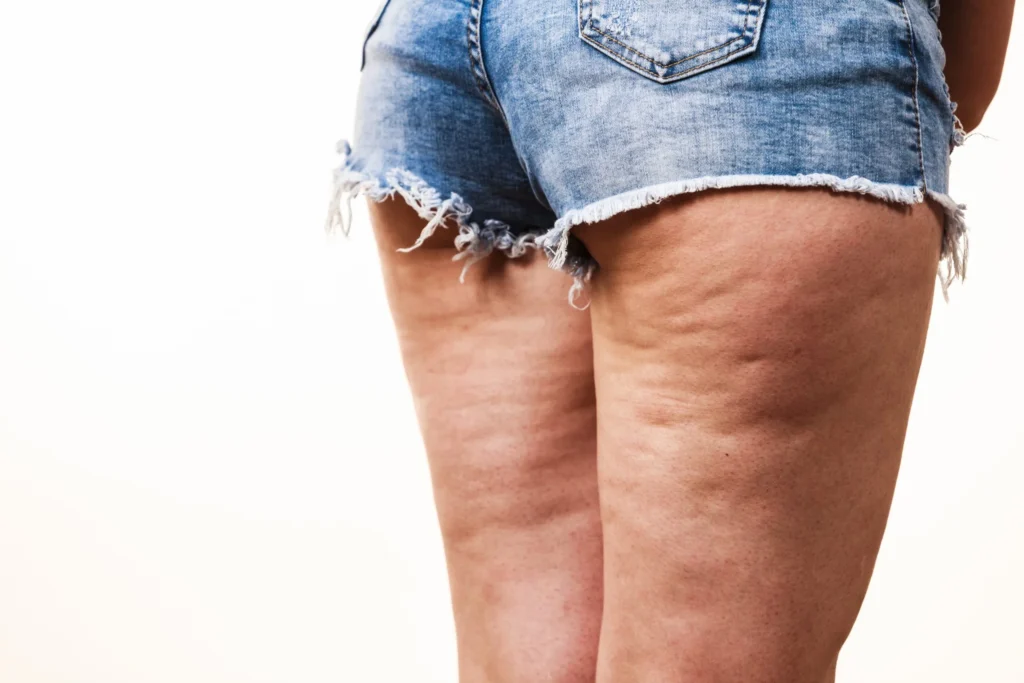
Cellulite is a common skin condition. It appears as dimpling on the skin’s surface. This dimpling often occurs on areas like the thighs, hips, and buttocks. Many people experience unsightly cellulite, which can affect self-esteem. The severity of cellulite varies from person to person. Factors like fat distribution and skin elasticity play a role in how noticeable it is.
Weight Loss Effects
Weight loss can influence the visibility of cellulite. As individuals lose weight, they may notice changes in their skin texture. Some people find that their cellulite severity decreases after losing fat. However, this isn’t always the case. For some, stubborn cellulite remains despite weight loss efforts. This happens because weight loss alone does not eliminate the underlying factors that contribute to cellulite.
Skin may also become looser after significant weight loss. Loose skin can make cellulite appear more pronounced. Therefore, a comprehensive approach is necessary for effective cellulite reduction treatment. Combining weight loss with strength training can help improve skin firmness.
Genetics and Hormones
Genetics plays a major role in developing cellulite. If family members have cellulite, there’s a higher chance you will too. Hormones also impact the formation of cellulite. Estrogen, for example, affects fat storage and blood flow. This hormone can lead to increased fat deposits under the skin, worsening the appearance of cellulite.
Other hormones, such as insulin or thyroid hormones, can also influence body composition. These hormones affect how fat is stored and used for energy. Women are more likely to develop cellulite due to hormonal differences compared to men.
Treatment Options
For those seeking solutions, various cellulite reduction treatments exist. Options include topical creams designed to improve skin texture and firmness. Some people opt for professional treatments like liposuction or laser therapy. These procedures aim to reduce unwanted fat and improve skin appearance.
A personal consultation with a dermatologist can provide tailored advice on effective options. A professional can assess individual needs and recommend suitable cellulite reduction treatment options.
Role of Diet and Exercise
Importance of Diet
A balanced diet plays a key role in reducing body fat and cellulite. Eating whole foods helps the body function better. Foods rich in fiber, like fruits and vegetables, aid digestion. They also help control weight.
Healthy fats, such as those found in avocados and nuts, support skin health. Including lean proteins contributes to muscle growth. This is vital for improving skin tone. Studies show that diets low in sugar and processed foods lead to better results in weight loss.
Hydration is another important factor. Drinking enough water keeps the skin hydrated. It can also help flush out toxins from the body. People often overlook this simple change, yet it makes a big difference.
Role of Exercise
Regular exercise is essential for building muscle and improving skin appearance. Muscle development helps fill out the skin, reducing the visibility of cellulite. Strength training exercises are particularly effective.
Focusing on specific areas prone to cellulite can yield better results. Squats, lunges, and leg lifts target the thighs and buttocks. These exercises build muscle in these regions. They also improve overall body composition.
Cardio workouts are equally important. Activities like running, cycling, or swimming increase heart rate. They burn calories effectively, which aids in weight loss. Combining cardio with strength training creates a well-rounded fitness routine.
Suggested Exercises
Incorporating a mix of exercises can maximize results. Here are some effective options:
- Squats: Works the glutes and thighs.
- Lunges: Targets legs while improving balance.
- Leg lifts: Focuses on inner and outer thighs.
- Planks: Strengthens core muscles.
- High-intensity interval training (HIIT): Burns fat quickly.
These exercises not only help reduce cellulite but also enhance overall fitness levels.
Supplements and Devices
e people consider supplements for cellulite reduction. Ingredients like caffeine may improve blood flow temporarily. However, their long-term effectiveness is still under study.
Devices claiming to reduce cellulite often promise quick fixes. The results vary greatly among individuals. It’s crucial to research these options thoroughly before use.
Effective Treatments Overview
Non-Invasive Options
Many treatments exist for reducing cellulite. Non-invasive methods include topical creams and laser therapy. Topical creams often contain caffeine or retinol. These products aim to tighten the skin and improve its appearance. Laser therapy uses focused light energy to break down fat cells. Studies show that patients may see results after several sessions.
Another option is acoustic wave therapy. This treatment uses sound waves to stimulate collagen production. Research studies suggest it can improve skin texture and reduce dimpling. Patients typically require multiple sessions for optimal results.
Minimally Invasive Treatments
Several treatments fall under minimally invasive options. One popular choice is subcision. This procedure involves inserting a needle under the skin to break up fibrous bands causing cellulite. Results can last longer than non-invasive methods, but recovery time varies.
Another method is radiofrequency treatment. It combines heat with suction to target fat deposits. Evidence suggests this approach can effectively reduce cellulite appearance. The effects may last for several months, depending on the individual’s skin type and lifestyle.
Surgical Treatments
Surgical treatments are more aggressive options for cellulite reduction. Liposuction is one such procedure. It removes fat from specific areas of the body. While it can provide dramatic results, recovery time is longer compared to other methods.
Patients should consider the risks associated with surgical treatments. Side effects may include swelling, bruising, or infection. It’s crucial to consult with a qualified professional before proceeding.
Effectiveness and Duration
Effectiveness varies among different treatment options. Non-invasive treatments like creams may offer temporary improvements. Results often fade quickly without ongoing use.
Minimally invasive procedures generally yield longer-lasting results. Subcision and radiofrequency can provide noticeable changes for several months or even years with proper maintenance.
Surgical treatments tend to produce the most significant transformations. However, they come with higher costs and potential complications.
Side Effects and Considerations
Choosing a treatment requires careful consideration of potential side effects. Non-invasive options usually have minimal side effects but may not work for everyone.
Minimally invasive procedures might cause bruising or swelling, but these symptoms typically resolve quickly. Surgical treatments carry greater risks, including scarring or infection.
Patients must weigh their options based on personal preferences and health conditions. Consulting with medical professionals helps in making informed decisions.
Acoustic Wave Therapy Insights
How It Works
Acoustic wave therapy uses ultrasound technology to target and break down cellulite. This technique sends sound waves into the skin layers. These waves create vibrations that help to disrupt the fibrous bands holding fat cells together. As a result, the fat deposits can be broken down more easily. The therapy also promotes blood circulation and lymphatic drainage, which aids in reducing the appearance of cellulite.
Evidence of Effectiveness
Several studies support the effectiveness of acoustic wave therapy for cellulite reduction. A study published in the Journal of Cosmetic Dermatology in August 2018 showed significant improvements in skin texture after treatment. Participants reported smoother skin and less visible cellulite after several sessions. Another research from the Journal of Clinical and Aesthetic Dermatology found that 80% of participants experienced noticeable results after undergoing this therapy.
Number of Sessions Needed
Typically, patients require multiple sessions to see noticeable results. Most clinics recommend around 6 to 12 sessions for optimal outcomes. Each session lasts about 30 to 60 minutes. Results may vary based on individual factors such as body type and lifestyle. Patients often notice improvements after just a few treatments, but consistency is key for lasting effects.
Benefits of Laser Treatment
Mechanism
Laser treatments like Cellulaze™ work by targeting the underlying causes of cellulite. This treatment uses a laser fiber inserted under the skin. The laser energy disrupts the fibrous bands that pull down on the skin. By breaking these bands, the skin can smooth out.
The heat from the laser also stimulates collagen production. Collagen is essential for skin elasticity and firmness. Improved collagen levels can lead to a more youthful appearance. Patients often see visible improvements after just one session.
Long-lasting Results
Compared to other cosmetic treatments, laser options provide long-lasting results. Many patients report seeing improvements for up to a year or more. Other methods, like topical creams or massages, often require ongoing sessions for minimal effects.
Laser treatments target the root cause of cellulite rather than just masking it. This difference leads to more significant and sustainable changes in skin texture. Studies show that about 80% of patients are satisfied with their results after undergoing laser treatment.
Downtime
Recovery time after invasive laser treatment varies by individual. Most people experience some swelling and bruising post-treatment. These side effects typically resolve within a few days.
Patients can usually return to normal activities within a week. Some may need to avoid intense exercise during recovery. Doctors often recommend light activities, such as walking, to aid healing.
Laser treatments do not require extensive downtime compared to surgical options. This makes them a popular choice for those looking for effective cellulite reduction without long recovery periods.
Subcision and Vacuum-Assisted Techniques
Subcision Method
Subcision, particularly with the Cellfina™ technique, effectively addresses cellulite. This medical procedure involves using a small needle to release fibrous bands beneath the skin. These bands cause the dimpling appearance of cellulite. By targeting these specific areas, subcision allows for precise tissue release.
Patients often report high satisfaction rates after undergoing this treatment. Studies show that around 85% of individuals express satisfaction with their results. The effects can last for several years, making it a long-term solution for many seeking smoother skin.
Vacuum-Assisted Release
Vacuum-assisted techniques also play a significant role in cellulite reduction. This method utilizes suction to lift and stretch the skin. It works by creating a vacuum effect that helps to release trapped tissues. As a result, it promotes better blood circulation and lymphatic drainage in the treated area.
The benefits of vacuum-assisted tissue release are notable. It can enhance the overall appearance of the skin while reducing the visibility of cellulite. Patients often experience less discomfort compared to other methods. This technique is non-invasive, leading to quicker recovery times.
Combining Techniques
Both subcision and vacuum-assisted methods can be used together for optimal results. When combined, they address different aspects of cellulite formation. Subcision targets the fibrous bands directly, while vacuum assistance improves skin texture and elasticity.
This combination approach has shown promising outcomes in clinical settings. Patients have reported improved skin smoothness and reduced dimpling after receiving both treatments.
Important Considerations
Before opting for these techniques, individuals should consult with a qualified healthcare provider. They can assess personal needs and recommend appropriate treatment plans. Understanding potential side effects is crucial as well.
In summary, both subcision and vacuum-assisted techniques provide effective solutions for cellulite reduction during weight loss. They offer patients options to achieve smoother skin with lasting results.
Exploring Carboxytherapy and Radiofrequency
Carboxytherapy Overview
Carboxytherapy involves injecting carbon dioxide (CO2) beneath the skin. This method aims to improve blood flow in the treated area. Increased circulation can help reduce the appearance of cellulite. The procedure is minimally invasive and usually performed in a clinical setting.
Research indicates that carboxytherapy may enhance skin elasticity and promote fat breakdown. A study published in 2015 showed promising results for cellulite reduction after multiple sessions. Patients reported noticeable improvements in skin texture and firmness.
Radiofrequency Technique
Radiofrequency (RF) uses energy to heat the skin’s deeper layers. This technique stimulates collagen production, leading to tighter skin. RF therapy targets specific areas, making it effective for cellulite treatment.
The procedure typically lasts about 30 to 60 minutes. Patients may experience a warming sensation during treatment. Many clinics offer this as a non-invasive option with minimal downtime.
Research supports radiofrequency’s effectiveness in tightening skin and reducing cellulite. A 2018 study found significant improvement in patients’ skin after several RF sessions. Results often last for months, depending on individual factors.
Effectiveness Comparison
Both carboxytherapy and radiofrequency show potential for cellulite reduction. However, their effectiveness can vary based on individual needs and treatment goals.
Carboxytherapy primarily focuses on improving blood flow and breaking down fat cells. It may require multiple sessions for optimal results. Patients might notice changes within a few weeks after starting treatment.
In contrast, radiofrequency offers immediate tightening effects due to collagen stimulation. Improvements can be seen right after the first session, with continued benefits over time.
Safety profiles for both treatments are generally favorable. Side effects from carboxytherapy may include temporary bruising or swelling at injection sites. Radiofrequency can cause mild redness or warmth but typically resolves quickly.
Consulting a healthcare professional is crucial before choosing either method. They can assess individual conditions and recommend the best approach.
Creams and Lotions Efficacy
Active Ingredients
Creams and lotions often contain active ingredients aimed at improving the appearance of cellulite. Common components include retinol, caffeine, and peptides.
Retinol creams are popular among women seeking smoother skin. They work by promoting collagen production, which can enhance skin elasticity. Caffeine helps to tighten the skin temporarily. It does this by dilating blood vessels and improving circulation. Peptides also play a role by signaling the body to produce more collagen.
Other ingredients like hyaluronic acid and shea butter can hydrate the skin. Hydration is important because it makes skin appear plumper, reducing the visibility of cellulite. Some products may also include herbal extracts that claim to improve skin texture.
Temporary Results
Results from creams and lotions are often temporary. Many users notice a difference shortly after application, but this effect fades quickly. The skin may look smoother for a few hours or even days, but the underlying fat deposits remain unchanged.
Topical applications do not penetrate deeply enough to alter fat cells. Therefore, while they can improve surface appearance, they won’t eliminate cellulite permanently. Users should not rely solely on these products for long-term results.
Consistent Use
For optimal results, consistent use of creams and lotions is crucial. Applying these products daily can help maintain their benefits. Skipping applications can lead to a return of previous skin texture.
Women who commit to regular use may see gradual improvements over time. However, they should manage their expectations regarding the extent of change. Combining topical treatments with other methods, such as exercise or dietary changes, can enhance overall effectiveness.
In summary, creams and lotions can be part of a broader strategy for reducing the appearance of cellulite during weight loss. Their active ingredients may provide some benefits, but results are typically short-lived without consistent application.
Consulting a Dermatologist
Professional Advice
Seeking professional advice is crucial for effective cellulite reduction during weight loss. A medical dermatologist can provide personalized treatment plans based on individual skin types and conditions. They assess the severity of cellulite and recommend suitable options.
Dermatologists understand that each person’s body responds differently to treatments. They consider factors like age, skin health, and lifestyle when formulating plans. This tailored approach increases the chances of achieving smoother skin.
Setting Expectations
Setting realistic expectations is essential in any cosmetic journey. Dermatologists help patients understand what can be achieved through various procedures. They explain that while treatments can improve the appearance of lumpy skin, complete elimination may not be possible.
Patients often have high hopes for drastic changes. However, dermatologists emphasize gradual improvements over time. This understanding helps prevent disappointment and encourages commitment to the process.
Monitoring Progress
Dermatologists play a vital role in monitoring progress throughout treatment. Regular check-ups allow them to evaluate how well the skin responds to specific methods. Adjustments may be necessary if the results are not as expected.
For instance, if a patient does not see improvement after several weeks, a dermatologist might suggest alternative treatments. This flexibility ensures that patients receive the best care possible.
Dermatologists often educate patients about maintaining skin health during weight loss. They discuss the importance of hydration and nutrition for skin elasticity. Healthy habits can enhance treatment results and promote overall skin wellness.
Common Procedures
Many procedures are available for cellulite reduction. Some common options include:
- Laser therapy: Uses focused light to break down fat cells.
- Radiofrequency: Increases collagen production for smoother skin.
- Liposuction: Removes excess fat in targeted areas.
- Injectables: Fillers can help smooth out uneven surfaces.
Each option has its pros and cons. A dermatologist will guide you through these choices based on your unique needs.
Closing Thoughts
Navigating cellulite reduction during weight loss can feel overwhelming. You’ve learned about the impact of diet, exercise, and various treatments. Each method has its pros and cons, and understanding these helps you make informed choices. Consulting a dermatologist can guide you to the best options tailored to your needs.
Take action now. Embrace a holistic approach by combining healthy eating, regular workouts, and effective treatments. Remember, consistency is key. Keep your goals in sight, and don’t hesitate to seek professional advice. Your journey towards smoother skin is within reach. Let’s get started!
Frequently Asked Questions
What causes cellulite during weight loss?
Cellulite can occur due to fat loss, which may reveal underlying connective tissue. Hormonal changes, genetics, and skin elasticity also contribute to its appearance, even when losing weight.
Can diet help reduce cellulite?
Yes, a balanced diet rich in fruits, vegetables, and lean proteins can improve skin health and reduce the appearance of cellulite. Staying hydrated is also crucial for maintaining skin elasticity.
How effective is exercise for cellulite reduction?
Regular exercise helps tone muscles and improve circulation, which can minimize the appearance of cellulite. Combining strength training with cardio is particularly effective.
Are there any non-invasive treatments for cellulite?
Yes, treatments like acoustic wave therapy, laser therapy, and vacuum-assisted techniques are non-invasive options that can effectively reduce cellulite by targeting fat cells and improving skin texture.
Do topical creams really work on cellulite?
e creams may temporarily improve the appearance of cellulite by hydrating the skin or increasing blood flow. However, results are often minimal and short-lived compared to other treatments.
When should I consult a dermatologist about cellulite?
Consult a dermatologist if you’re concerned about the severity of your cellulite or if you want personalized treatment options. They can provide expert advice tailored to your needs.
Is it possible to completely eliminate cellulite?
While complete elimination of cellulite is challenging, various treatments can significantly reduce its appearance. A combination of lifestyle changes and professional therapies often yields the best results.