
Male breast reduction scars can be a concern for many considering cosmetic procedures for their breasts and glandular tissue excision to achieve a contoured chest. This procedure, known as gynecomastia surgery for breast enlargement, has helped countless men regain confidence through cosmetic procedures with minimal scars and liposuction scars since its rise in popularity in the late 20th century. Understanding what to expect regarding plastic surgery scars and gynecomastia scars is crucial for anyone thinking about this plastic surgery procedure and achieving successful surgery.
Scars from a plastic surgery procedure are a natural part of the healing process, but their appearance can vary based on technique and individual healing, especially in issues like male breast reduction surgery and gynecomastia surgery recovery. Knowing how to care for these scars post-surgery can significantly impact their visibility issue for men.
Will I Have Scars After Gynecomastia Surgery
Scar Appearance
Gynecomastia surgery scars are a common concern. Patients worry about how visible the scars will be after their gynecomastia surgery results issue. Surgeons use precise techniques to minimize scar visibility. Incisions often occur in areas that can be easily hidden for surgery scar management, especially concerning gynecomastia scars and gynecomastia surgery scars, as well as scar tissue gynecomastia surgery forms. For example, incisions may take place around the areola or in the armpit. These locations help reduce the chances of noticeable scars.
Scars from gynecomastia surgery usually appear as thin lines. They often fade over time, becoming less prominent. The healing process varies for each person. Factors like skin type and genetics play a role in how scars develop.
Healing Process
Scars are a natural part of healing after any surgical procedure. After gynecomastia surgery, the body forms scar tissue as it repairs itself. This process is essential for recovery. However, it’s important to follow post-operative care instructions to support healing.
Patients should expect some redness and swelling initially. These symptoms typically improve within weeks. Most patients notice a significant reduction in these signs within three to six months. It’s crucial to be patient during this time.
Aftercare Importance
Proper aftercare can significantly reduce the visibility of scars. Following your surgeon’s guidelines is vital for optimal results. Keeping the incision area clean helps prevent infection. Applying silicone sheets or gels can also aid in scar management.
Avoiding sun exposure on healing scars is essential. UV rays can darken scars, making them more noticeable. Wearing sunscreen or protective clothing can safeguard your skin during recovery.
Long-term Considerations
Over time, gynecomastia surgery scars may continue to fade. Many patients find that their scars become barely visible after a year or two. Regular check-ups with your surgeon can help monitor healing progress.
Discuss any concerns about scarring with your doctor before surgery. Understanding what to expect can alleviate anxiety about the outcome. Each person’s experience with gynecomastia scars is unique.
Scars in Low-Visibility Areas
Incision Placement
Surgeons often place incisions in natural creases or along the areola. This technique helps to hide scars effectively. By choosing these locations, the visibility of scars is minimized. It also allows for a more natural look after surgery. The goal is to ensure that any scarring becomes less noticeable over time.
Strategic incision placement plays a key role in reducing prominent scars. Surgeons aim for precision during the procedure. This careful approach leads to smoother healing and better cosmetic results. Patients can expect scars to dissipate gradually, becoming less visible with time.
Natural Appearance
Low-visibility areas contribute significantly to maintaining a natural chest appearance. Many patients worry about how their chest will look post-surgery. Knowing that incisions are hidden can ease these concerns. A tidy scar enhances confidence and comfort in one’s body.
The positioning of incisions not only affects scar visibility but also impacts overall recovery. Less visible scars can lead to reduced anxiety about showing the chest in public. Patients often report feeling more satisfied with their appearance when scars are discreetly placed.
Post-Surgery Care
Proper care post-surgery is essential for minimizing scarring. Following the surgeon’s instructions can prevent complications like infection or excessive bruising. Sun protection is crucial as well; UV rays can darken scars, making them more noticeable.
Patients should keep the area clean and moisturized. Using recommended ointments can aid healing and improve scar texture. With diligent care, many achieve smooth scars that blend well with surrounding skin.
Pain Management
Pain levels vary among individuals after gynecomastia surgery. Some experience mild discomfort, while others may feel more significant pain. Managing pain effectively contributes to a smoother recovery process.
Surgeons typically prescribe medications to help control pain after surgery. Following dosages as instructed promotes comfort and aids healing. Less pain often leads to better mobility, which can enhance circulation around the surgical area.
Scar Length and Visibility
Scar length varies based on the extent of surgery performed. In most cases, shorter incisions result in shorter scars. Patients should discuss expectations regarding scar length with their surgeons before the procedure.
Visibility of scars also depends on individual skin types and healing processes. Each person heals differently, so some may develop stubborn scars while others have minimal scarring. Understanding these factors helps set realistic expectations for post-operative appearance.
Factors that Impact Scarring
Surgical Technique
Surgical technique plays a vital role in scar formation. Surgeons use different methods to perform male breast reduction. Techniques like liposuction may result in less visible scars than traditional excision. Precision during the procedure can minimize tissue damage. This precision helps to reduce scar visibility.
Surgeons also consider incision placement. Incisions made in low-visibility areas can lead to better cosmetic outcomes. Proper closure techniques, such as layered suturing, can further enhance healing. The skill of the surgeon is crucial. A well-experienced surgeon often achieves better results.
Genetic Factors
Genetic predisposition affects how individuals heal and form scars. Some people naturally develop thicker or more noticeable scars due to their genetics. This condition is known as hypertrophic scarring or keloids. Family history can provide insight into how your body might react post-surgery.
Understanding your genetic background helps set realistic expectations. Consulting with a healthcare provider about family history is essential. They can offer guidance based on individual circumstances. Knowing this information allows for informed decisions regarding treatment options.
Aftercare Importance
The extent of aftercare significantly influences scar visibility. Proper care after surgery aids in optimal healing. Following a surgeon’s instructions is crucial for minimizing scarring. Patients should keep the surgical area clean and dry.
Moisturizing the scar can promote healing and reduce its appearance. Silicone gel sheets are often recommended for scar management. These products help flatten and soften scars over time.
Avoiding sun exposure on the healing area is also important. UV rays can darken scars, making them more noticeable. Wearing sunscreen protects the skin and keeps scars less visible.
Regular follow-up appointments with the surgeon are beneficial too. These visits allow for monitoring of the healing process and addressing any concerns promptly.
Emotional Considerations
Emotional factors can also influence healing and scar appearance. Stress may affect the body’s healing capabilities, leading to worse scarring outcomes. It’s important for patients to manage stress levels during recovery.
Support from friends and family can aid emotional well-being. Engaging in relaxation techniques may also help during this period.
Surgical Techniques and Scarring
Minimally Invasive Techniques
Minimally invasive techniques play a crucial role in reducing the visibility of surgery scars. These methods involve smaller incisions, which lead to less significant scarring. Surgeons often use specialized tools that allow them to perform procedures with precision. This reduces the trauma to the surrounding skin. As a result, patients experience quicker recovery times and improved aesthetic outcomes.
These techniques can also enhance the overall success of the surgery. Patients report feeling more satisfied with their results when scars are minimal. The focus remains not just on removing excess tissue but also on preserving skin integrity. Many cosmetic surgeons prioritize these methods for male breast reduction.
Liposuction and Excision
Combining liposuction with excision has become a popular approach in this type of surgery. This combination allows for reduced incision size and minimized residual scars. Liposuction removes fat while excision addresses glandular tissue. This dual approach means fewer large incisions are needed.
Surgeons strategically place incisions in less visible areas. For example, they might place them around the areola or in natural skin folds. This placement helps hide scars effectively. Patients who undergo this combined technique often report better aesthetic results and lower levels of visible scarring.
Advanced Methods: BodyTite
Advanced methods like BodyTite have emerged as effective options for scar minimization. BodyTite uses radiofrequency energy to tighten skin during procedures. This technique promotes collagen production, leading to smoother skin post-surgery.
The technology allows surgeons to perform skin excision with less damage to surrounding tissues. Patients benefit from tighter skin without extensive wound healing. Many find that scars from BodyTite procedures are less noticeable than those from traditional techniques.
Surgeons who adopt these advanced methods often see improved patient satisfaction rates. The focus on minimizing scars becomes a priority in cosmetic procedures today.
Managing Scar Tissue
Post-operative care is essential for managing scar tissue after surgery. Proper wound care can significantly affect how well scars heal over time. Surgeons provide specific instructions on caring for incisions after plastic surgery procedures.
Patients should follow these guidelines closely to minimize scarring risks. Using silicone sheets or gels can help flatten and soften scars as they heal. Avoiding sun exposure protects healing skin from discoloration.
Genetic Factors
Healing Tendencies
Genetic makeup plays a significant role in how individuals heal after surgery. Each person’s body reacts differently to surgical procedures. Some people may develop more prominent scars due to their unique genetic traits. This variability can be linked to factors like skin type and healing capacity.
Collagen production is essential for wound healing. Genetics influence the amount and quality of collagen a person produces. Higher collagen levels typically lead to better healing, while lower levels may result in more noticeable scars. Patients with a family history of keloid formation are at a higher risk for developing similar scarring issues.
Family History
Family history can provide insights into potential scarring outcomes. If relatives have experienced significant scarring after surgery, it might indicate similar results for others in the family. Understanding this can help patients make informed decisions about male breast reduction.
Certain genetic conditions can also affect healing. For example, disorders that impact connective tissue can lead to complications during recovery. Patients should discuss their family medical history with their surgeon. This information can guide the surgical approach and post-operative care.
Scarring Variability
The extent of scarring varies among individuals. Some men may barely notice any scars after male breast reduction, while others might see more pronounced marks. This difference often comes down to genetics and personal healing experiences.
Medications can also play a role in how scars form. Prescription medications that affect blood flow or skin structure may influence scar development. Doctors often recommend specific gels or ointments post-surgery to improve healing.
Patients should be aware of the factors that contribute to scarring. Understanding these aspects helps set realistic expectations for post-operative results.
Emotional Impact
The emotional experience surrounding scarring is important as well. Men who undergo breast reduction may feel self-conscious about their scars. It’s crucial to address these feelings during recovery. Support from medical professionals and loved ones can aid in coping with any emotional distress related to scarring.
Awareness of genetic factors allows patients to prepare better for the outcomes of their surgery. Knowing what to expect can reduce anxiety and improve satisfaction with the results.
Proper Aftercare for Minimal Scarring
Follow Instructions
Surgeons provide specific aftercare instructions. Following these guidelines is crucial for minimal scarring. Each surgeon may have unique recommendations based on the procedure performed. Adhering to these instructions can significantly impact healing.
Patients should avoid strenuous activities for several weeks. This helps reduce strain on the surgical area. Strain can lead to complications and increased scarring. It’s vital to listen to your body and rest when needed.
Maintain Hygiene
Keeping the surgical site clean is essential. Proper hygiene prevents infection, which can worsen scars. Clean the area gently with mild soap and water. Avoid scrubbing or using harsh chemicals. Pat the area dry with a clean towel.
Change dressings as instructed by your healthcare provider. Use sterile materials to minimize the risk of infection. Keeping the area dry is also important. Moisture can lead to irritation and increase scar visibility.
Recommended Treatments
Using recommended scar treatments can aid in healing. Silicone sheets or gels are often suggested by doctors. These products help flatten and soften scars over time. They create a protective barrier that hydrates the skin.
Start using these treatments after the incisions heal, typically within a few weeks. Apply them consistently for best results. Many patients notice improvements in their scars after regular use.
Rest and Recovery
Rest plays a vital role in recovery and minimizing scars. The body needs time to heal properly after surgery. Getting enough sleep supports overall health and recovery processes.
Avoid sun exposure on the surgical area during healing. UV rays can darken scars, making them more noticeable. If going outside, cover the area or use sunscreen as advised by your doctor.
Monitor Progress
Keep an eye on your healing process. Look for signs of infection, such as increased redness or swelling. Contact your healthcare provider if you notice any concerning changes.
Regular follow-ups with your surgeon are essential too. They can assess your progress and provide additional advice on care and treatment options.
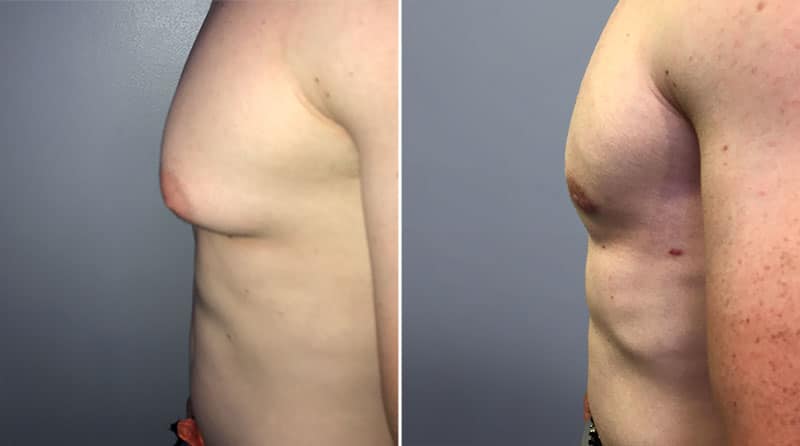
Gynecomastia Recovery Timeline
Initial Recovery
Recovery begins immediately after gynecomastia surgery. Patients usually need 2-3 days of rest. During this time, activity is limited. This helps reduce strain on the surgical area. Pain and discomfort can occur, but doctors often prescribe pain relief medication.
Wearing a compression garment is crucial. It supports the chest and minimizes swelling. Following the surgeon’s instructions is essential for a smooth recovery. Most patients feel ready to return to light activities within a week.
Week Six Progress
By week six, most swelling and bruising start to subside. Patients notice significant changes in their appearance at this stage. The initial results of gynecomastia surgery become clearer. Scars may still be visible but will begin to fade over time.
It’s important to continue following aftercare guidelines. Keeping the surgical area clean aids in healing. Moisturizing the scars can also help improve their appearance. Regular follow-ups with the surgeon ensure that recovery stays on track.
Long-Term Changes
Full scar maturation takes several months. Improvements in scar appearance can continue for up to a year. In many cases, scars become less noticeable with time. Factors such as genetics and skin type influence scar healing.
Patients should remain patient during this process. Avoiding sun exposure on scars helps prevent discoloration. Using sunscreen on healed areas is advisable when outdoors.
Emotional Impact
The emotional effects of gynecomastia surgery are significant. Many patients experience increased self-esteem and confidence post-surgery. This change can positively impact social interactions and personal relationships.
Support from friends and family plays a vital role during recovery. Sharing experiences with others who have undergone similar procedures can provide comfort. Connecting with support groups can also help individuals navigate their feelings.
Tips to Reduce Surgery Scarring
Avoid Sun Exposure
Direct sunlight can worsen scars. It darkens them and makes them more noticeable. After surgery, skin is sensitive. Protect the area from UV rays. Use sunscreen with a high SPF on exposed areas. Wear loose clothing that covers the scars when outdoors. This simple step can greatly improve the appearance of your scars over time.
Follow Wound Care Instructions
Proper hygiene is crucial after surgery. Clean the incision site as directed by your surgeon. Use mild soap and water to keep the area clean. Avoid scrubbing or using harsh chemicals. These actions can irritate the skin and delay healing. Pay attention to any signs of infection, such as redness or swelling. Report these symptoms to your doctor immediately.
Use Prescribed Medications
After surgery, follow your doctor’s advice regarding medications. These may include antibiotics to prevent infection and pain relief options. Use scar gels silicone works effectively in reducing scar visibility. Apply them as instructed for best results.
Silicone Scar Treatment Sheets
Consider using silicone scar treatment sheets. These sheets help flatten and soften scars over time. They create a moist environment that promotes healing. Studies show they can significantly reduce scar formation when used consistently.
Consistent Scar Management
Consistency is key in managing surgery scars. Use silicone scar treatments regularly for optimal results. Follow a daily routine to apply these treatments at the same time each day. This habit ensures better adherence to your care plan.
Emotional Support
Surgery can impact emotional health as well as physical health. Discuss feelings with friends or family members if needed. Consider joining support groups where individuals share similar experiences. Emotional support plays a significant role in recovery.
Additional Advice
Seek advice from your healthcare provider about other scar management techniques. Some may recommend laser therapy or microdermabrasion after healing is complete. These methods can further enhance the appearance of scars.
Gynecomastia Procedures Overview
Surgical Excision
Surgical excision is one of the most effective methods to remove excess breast tissue. This technique directly targets the tissue causing gynecomastia. Surgeons make incisions around the nipple or under the breast. The surgeon then removes unwanted tissue. This procedure is beneficial for those with larger amounts of breast tissue.
Recovery from surgical excision can vary. Patients may experience swelling and bruising, but these symptoms usually subside in a few weeks. Many patients notice a significant reduction in breast size after surgery. It’s crucial to follow post-operative care instructions to minimize scarring.
Liposuction
Liposuction is another option for gynecomastia treatment. It helps contour the chest by removing chest fat rather than glandular tissue. Surgeons often recommend this method for patients with less excess breast tissue.
During the procedure, the surgeon makes small incisions in the skin. A thin tube called a cannula is inserted to suction out fat. This method results in less visible scarring compared to surgical excision alone. Patients often appreciate a more defined look after liposuction.
Recovery time is typically shorter with liposuction. Most patients return to normal activities within a week. However, it’s essential to avoid strenuous exercise during recovery.
Combination Approaches
Many gynecomastia patients benefit from a combination of both surgical excision and liposuction. This approach allows for more comprehensive treatment. Surgeons can tailor procedures based on individual needs.
e patients may require skin tightening procedures like BodyTite after surgery. These techniques enhance overall results by improving skin elasticity and contouring the chest area.
Costs and Considerations
Gynecomastia surgery prices vary widely based on location, surgeon expertise, and complexity of the case. On average, costs can range from $3,000 to $8,000 or more. Insurance may cover part of the expenses if gynecomastia is deemed medically necessary.
Choosing a qualified gynecomastia surgeon is vital for successful outcomes. Look for someone experienced in male breast reduction surgery and familiar with various techniques like the gynecomastia pinch test.
Consultation appointments provide an opportunity to discuss goals and expectations. Surgeons assess each patient’s unique situation during these visits.
Cierre
Understanding male breast reduction scars is crucial for anyone considering gynecomastia surgery. You’ve learned about factors that influence scarring, techniques that minimize visibility, and aftercare tips to ensure the best results. Your journey doesn’t end with the procedure; it’s about maintaining your confidence and embracing your new look.
Take charge of your recovery process. Follow the tips shared to reduce scarring and consult with your surgeon for personalized advice. You deserve to feel great in your skin. Don’t hesitate to reach out for support or further information on gynecomastia procedures. Your path to a more confident you starts now.
Frequently Asked Questions
Will gynecomastia surgery leave noticeable scars?
Yes, all surgeries can result in scarring. However, skilled surgeons use techniques to minimize visibility, especially in low-visibility areas.
How can I reduce the appearance of scars after surgery?
Proper aftercare is crucial. Follow your surgeon’s guidelines, keep the area clean, and consider silicone sheets or ointments to promote healing.
What factors influence the severity of surgical scars?
Scarring severity can depend on skin type, surgical technique, and individual healing processes. Genetics also play a significant role.
Are there specific surgical techniques that minimize scarring?
Yes, techniques like liposuction or incisions placed in inconspicuous areas can significantly reduce visible scarring compared to traditional methods.
How long does it take for scars to fade after gynecomastia surgery?
Scars typically improve over several months. Initial redness may fade within weeks, while complete healing can take up to a year.
Does genetics affect my risk of developing prominent scars?
Absolutely. Some individuals are genetically predisposed to keloid or hypertrophic scars, which can be more pronounced after surgery.
What should I expect during the gynecomastia recovery timeline regarding scarring?
Initially, swelling and redness are common. Scars will gradually soften and lighten over time. Regular follow-ups with your surgeon will help monitor progress.