
Key Takeaways
- Loose skin is common after major weight loss because of the reduction in collagen and elastin. The speed of weight loss, along with other factors such as age and genetics, increases your risk.
- Opting for gradual weight loss, consuming a diet abundant in vitamins and minerals, and incorporating consistent strength training into your routine are great ways to reduce and control skin laxity.
- Proper hydration and nutrition play a key role in supporting skin health and elasticity throughout your weight loss journey.
- Non-invasive solutions like topical treatments, radiofrequency, ultrasound, microneedling, and laser therapy can enhance skin firmness. Surgery provides more long-lasting results for excess skin.
- Emotional challenges around loose skin are typical. Reaching out for help from experts and loved ones, and embracing self-compassion can all aid in preserving your psychological health.
- To maintain your long term skin quality, focus on a stable weight, solid skincare rituals and regular check-ins on your maintenance plan to adjust to evolving needs.
Wegovy loose skin solutions assist individuals in handling excess skin following Wegovy-induced weight loss. They explore everything from skincare to medical treatments in an effort to firm or tighten skin.
Diet, gradual weight loss, and weight training are crucial. Some opt for surgery to deal with the loose skin for the long haul. Each comes with its advantages and restrictions, and not every solution is one-size-fits-all.
Next, we outline the primary approaches to addressing loose skin post-Wegovy.
The Skin’s Dilemma
Loose skin post-weight loss isn’t simply a superficial concern. When the weight comes down rapidly, the skin just can’t keep up. Skin is comprised of fibers, mostly collagen and elastin, that allow it to stretch and snap back. With rapid weight loss, like with Wegovy, these fibers can be strained. Age, genetics, and habits all determine the degree of loose skin.
These shifts can impact self-image and day-to-day comfort, challenging individuals to seek solutions.
Collagen & Elastin
Collagen holds the skin tight, and elastin lets it wiggle. Both collaborate to provide skin its form and suppleness. When weight is shed, these fibers can fray or deteriorate, particularly if the loss is quick. Older individuals or those with less natural collagen might experience more sagging.
Diet can help keep these fibers strong. Protein-packed foods such as fish, beans, and eggs fuel collagen. The vitamin C from oranges assists the body in producing collagen as well. Other folks experiment with supplements like collagen peptides, but the mileage differs.
Therapies such as microneedling or radiofrequency utilize heat or small needles to stimulate new collagen production. These can tighten skin with time, but work best for mild cases.
Rapid Loss
Losing weight quickly can leave the skin loose and stretched. The skin doesn’t have time to shrink when you get smaller, which can cause folds around the stomach, arms, or thighs. Even younger folks can catch a glimpse of this if the transformation is rapid.
Loose skin can be mild or severe. The more weight lost, the more the loose skin will develop. Skin tightening methods, such as creams or exercises, can assist a bit but are more effective if weight loss is gradual.
Fast transformations provide skin less time to recoil, which is why professionals commonly recommend that you shed pounds at a gradual rate of around 0.5 to 1 kg per week to optimize outcome.
Influencing Factors
Your skin’s fate is manifest in your daily decisions. Adequate hydration keeps skin plump, while starvation or a lack of protein can make it lose strength. Smoking or sun exposure can accelerate your skin’s aging process.
Genes, too, have a big role. Some get thick, bouncy skin that snaps back and others experience more sagging. Hormones can shift with weight loss, altering skin’s response. The skin on the belly or upper arms tends to loosen more than on the face or calves.
Prevention Strategies
Wegovy loose skin is common after weight loss. You can reduce your risk. The optimal strategy combines hydration, balanced nutrition, strength training, and a conservative rate of weight loss. This section dissects these strategies with actionable steps and examples to keep your skin healthy and tight.
Hydration
- Consume a minimum of 2 liters of water daily, tailored to your body size and exercise level.
- Space water intake evenly from morning to night.
- Choose water over sweetened or caffeinated drinks.
- Carry a refillable bottle for convenience.
- Use reminders or apps to track your intake.
Add water-rich foods such as cucumbers, watermelon, oranges, and lettuce to your meals for an additional hydration boost. These foods provide more than just water; they provide skin-repairing vitamins and minerals and keep your skin elastic.
Dehydration can manifest as dull, dry, or tight skin and can exacerbate loose skin. Be attuned to other symptoms such as exhaustion or headaches. A daily hydration plan should be simple: start each meal with a glass of water, snack on fruit, and refill your bottle every few hours.
Nutrition
Protein, vitamin C, zinc and copper-rich foods support your body in producing collagen, which keeps skin firm. Don’t forget to add salmon, eggs, beans, bell peppers and leafy greens to your plate. Healthy fats from nuts, seeds and avocados, as well as vitamins C and E help support skin repair.
Avoid crash diets that eliminate entire food groups or promise quick results. These can cause muscle and skin loss, which results in even more sagging. Instead, consult with a dietitian or use a tracking app to plan meals that align with your calorie requirements and weight loss objectives.
That type of schedule will ensure you’re getting the nutrition you need for weight loss and skin health.
Strength Training
Strength training builds muscle, which can plump out loose skin and enhance its appearance. Sample prevention strategies include trying squats, push-ups, and resistance band exercises two to three times a week. Increased musculature beneath the skin will make skin look tighter, particularly on the arms, legs, and stomach.
Stir in a combination of bodyweight and weighted exercises. Maintain a journal or take progress snapshots to witness changes in muscle tone and skin as the weeks go by.
Gradual Pace
Try to lose 0.5 to 1 kg a week (1 to 2 pounds). This rate allows your skin to stay ahead of fluctuations and reduces the risk of sagging. Rapid weight loss doesn’t give skin the chance to retract.
Weigh yourself weekly and recalibrate your plan if you notice significant drops or plateaus. Pay attention to long-term solutions, not short-term expedients. Choose targets that fit how you feel healthwise, and switch things up if you’re exhausted or sick.
Non-Surgical Solutions
Wegovy loose skin Most everyone is interested in non-surgical solutions to help tighten that loose and saggy skin. These techniques may work for various skin types, ages, and individual needs. Options span from creams and serums to energy-based treatments.
Here are some non-surgical skin tightening options:
- Topical creams containing active ingredients such as retinoids and hyaluronic acid.
- Radiofrequency (RF) therapy for deep tissue tightening.
- Ultrasound therapy to lift and firm skin.
- Microneedling to boost collagen growth.
- Laser resurfacing for smoother, tighter skin.
It’s more effective the younger your skin is, the more elastic it is, and the less loose skin you have. Piling on a few treatments might prove more effective. It’s essential that you work with a dermatologist to construct a plan that suits your skin and your expectations.
1. Topical Treatments
Some non-surgical solutions include topical retinoids that can increase collagen and aid in cell turnover. Hyaluronic acid attracts moisture, plumping and smoothing the skin. Peptide or ceramide moisturizers assist skin in remaining soft and elastic.
A few are creations for post-weight loss skin, with mixes formulated to tone and pull taut. Consistency matters—results frequently appear only after months of daily use. Non-invasive OTCs are good for shallow laxity, but deep sagging requires potent treatments.
2. Radiofrequency Therapy
Radiofrequency therapy uses heat to stimulate collagen development far beneath the surface of your skin. This leaves the skin looking firmer with minimal to no downtime. Sessions are approximately 30 to 60 minutes.
RF works on most skin types and is safe for many people. Typically, multiple sessions are required for optimal results, spaced weeks apart. You will not experience the same results as this is contingent on skin thickness and age. A trained provider can assist you in determining whether RF is right for you.
3. Ultrasound Therapy
Ultrasound therapy (think Ultherapy) utilizes sound waves to lift and tighten your skin. This heats tissue beneath the skin’s surface, prompting collagen production. It’s non-surgical and commonly targeted to the face, neck, and beneath the chin.
For some people, one session is all it takes to get results. Some will require additional sessions. The results can last for months, but not everyone experiences the same transformation. Be sure to inquire with your provider about how many sessions you’ll likely require to achieve your goal.
4. Microneedling
Microneedling uses small needles to create micro-injuries in the skin, which initiate healing and support new collagen growth. This can tighten lax skin and even out rough areas. For optimal outcomes, you might require multiple treatments, separated by approximately one month.
Aftercare is simple: keep the area clean, avoid the sun, and use gentle moisturizers. Occasionally, microneedling is combined with RF or topical serums for enhanced results.
5. Laser Resurfacing
Laser resurfacing works by eliminating the top layer of skin and heating the layers underneath, thereby putting the skin on a kind of heat-induced diet that tightens skin and smooths lines. Different lasers have different strengths.
Ablative ones are the stronger kind and require more downtime, while non-ablative ones are gentler. You might require only a single session or multiple sessions. Recovery can last days to weeks, depending on the laser employed. A dermatologist assists in selecting the ideal laser type for your skin and objectives.
Surgical Interventions
Surgical interventions are typically viewed as a more permanent solution to loose skin post-major weight loss with Wegovy. These surgeries remove excess skin and assist in restoring the body’s contour. For a lot of patients, loose skin is a source of discomfort, hygiene issues and even infections.
Surgery can address these concerns by removing excess skin and contouring areas that have shifted dramatically with weight loss. Results can be long-term, particularly if weight remains steady, yet it’s always an exchange with scarring and recovery time.
Body Contouring
Body contouring encompasses a variety of surgeries to different areas of the body. It usually involves skin excision from the abdomen (abdominoplasty), thighs (thighplasty), arms (brachioplasty), and occasionally the chest or face. These are not cookie-cutter cases.
A customized plan is key. Surgeons examine your particular skin, fat pattern, and objectives. If you have loose skin in many areas, a lower body lift is sometimes recommended. This can involve tightening the belly, hips, and thighs all in one.
For others, liposuction paired with skin removal is a better solution. Liposuction aids in the removal of persistent fat deposits, whereas skin excision addresses loose skin. It depends on your remaining skin and fat after weight loss as to which route is best.
Not everyone is going to need or benefit from both. Your general health, skin quality, and healing capacity are important considerations in choosing a plan. A board-certified plastic surgeon can assist you in selecting the optimal combination.
Selecting a good surgeon is key. Not all doctors have post-weight-loss cases, which are more complicated. Seek someone experienced in this sort of surgery. They’ll know how to minimize hazards and assist you in imagining what healing will be like.
Risks such as infection, bleeding, and slow healing are present, but good aftercare and surgeon skill can minimize these.
Common Procedures
| Procedure | Expected Outcome | Recovery Time | Can Combine? |
|---|---|---|---|
| Tummy Tuck | Flatter stomach, less loose skin | 2–4 weeks for light activity, 6–8 weeks full recovery | Yes, often with lower body lift |
| Arm Lift | Tighter arms, smoother contour | 2–3 weeks for daily tasks, swelling may last months | Yes, with other lifts |
| Thigh Lift | Firmer thighs, reduced chafing | 2–3 weeks basic care, longer for full swelling to resolve | Yes, with tummy tuck or buttock lift |
| Breast Reshaping | Improved breast shape, possible lift or implants | 1–2 weeks light activity, 4–6 weeks for full | Yes, with upper body lift |
| Lower Body Lift | Better lower body shape, less sagging | 4–6 weeks light activity, 3+ months for swelling | Yes, with liposuction or upper lifts |
Most elect to mix and match more than one surgery for a more dramatic change and less downtime. For instance, a tummy tuck could be performed with a thigh lift.
That’s good for saving time, but can make recuperation a tad tougher initially. Take care of it. Scarring is permanent, but the majority do fade with care over time.
The results are more long-lasting if you maintain a stable weight and adhere to your surgeon’s recommendations.
The Mental Toll
Wegovy loose skin after weight loss or similar drugs isn’t only a physical transformation. It can impact how individuals view themselves and how they feel on a daily basis. The mental toll can manifest in a variety of forms, influenced by individual history, persistent side effects, and available support.
Body Image
Loose skin can cause people to reconsider their appearance, even following significant weight loss. For others, they just can’t shake the sensation that their body is not “done” transforming. They may notice stretch marks, sagging spots, or folds that don’t fit their vision. This can lead to a feeling of defeat or even wanting to hide your body despite hitting those health targets.
Society piles more pressure on this battle. Social media and pop culture tend to display idealized body types — flat tummies and taut skin, which can establish unrealistic standards and encourage individuals to compare themselves, frequently unjustly. So many of us are compelled to “correct” loose skin quickly when in reality life is way more nuanced.
It takes a long time to embrace these transformations. Each individual journey was unique, influenced by age, pounds shed, genetics, and pre-medication health as well. Self-acceptance is about learning to see progress, not perfection.
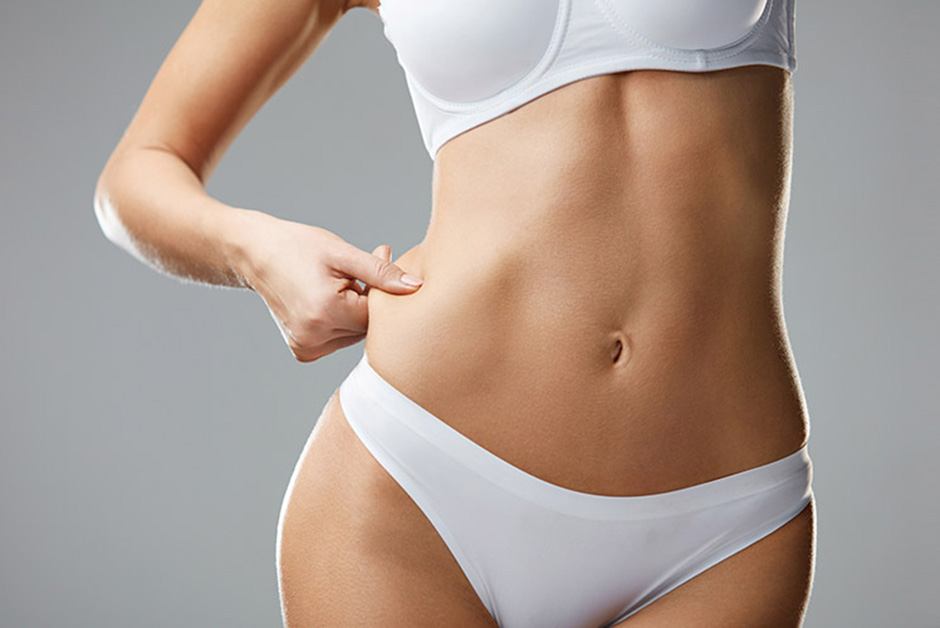
It’s good to take a breath and consider the broader perspective of how distant the journey already made is, not how much remains. Some basic self-care steps can assist. Affirmations such as telling yourself you’re strong, or resilient, or making progress create confidence over time.
Luxuriating in some skin care, dressing in a way that feels good, or moving in a way that sparks joy can re-set the mind and soothe the strain of body shifts.
Emotional Impact
Loose skin can conjure up difficult emotions. Some are self-conscious in public or at the gym. Others might feel ashamed, wanting to look ‘normal’ after their effort. These feelings are real and can pop up at any time, even months after weight loss.
Dealing with continuous stomach issues from semaglutide or its equivalent can compound this strain. It is easy to be irritable and frustrated when nausea and fatigue unsettle your life. Others become socially isolated, withdrawing from friends or events merely to dodge random symptoms.
Over time, this can lead to more serious mental health struggles including anxiety or depression. Everyone won’t experience it the same. Studies demonstrate that individuals suffering from mental illnesses including depression, anxiety, or bipolar disorder are at an increased risk.
Research, including a large 2024 cohort, associates semaglutide use with a modest increase in depression and suicidal ideation. Gut issues can wreak havoc on the brain, turning old demons into new ones. At times, managing helps to be connecting.
Support groups, whether online or in person, can provide a safe space to discuss body image, daily challenges, or mental health. Friends and family can help as well, provided they listen without judgment. If low mood or anxious thoughts linger, it is a good idea to consult with a mental health professional.
Getting help early can prevent small problems from becoming bigger.
Coping Strategies Checklist:
- Practice positive self-talk and daily affirmations.
- Build a gentle skin-care routine.
- Wear comfortable clothes that support confidence.
- Join support groups or peer networks for shared experiences.
- Seek professional mental health support if needed.
- Stay active with movement that feels safe and fun.
- Set realistic expectations for progress and healing.
- Share honest feelings with close friends or family.
Long-Term Maintenance
Long-term maintenance after major weight loss with Wegovy focuses on forming habits that support skin in adapting and remaining healthy. Sustaining results over the years requires consistent decisions and nurturing. With long-term maintenance, this section examines how to help loose skin by remaining at a stable weight and caring for skin in small yet powerful ways.
Weight Stability
Maintaining a stable weight prevents new loose skin from developing. Yo-yoing on weight gain and loss can mean more stretch for the skin, thus possibly more sagging. Aim for maintenance changes of under 2 kg up or down a month. This gives skin more of an opportunity to acclimate.
Establish weight targets that seem manageable for the long term. Crash or quick fix diets may seem appealing, but they’re a fast track to weight cycling. For instance, shoot for a range and monitor it weekly, not daily. Use a scale or body tape to monitor progress. If your weight begins to drift, seek small corrections. Walk a little more and adjust meal sizes.
A stable weight isn’t just about appearance; it translates into more energy, a better mood and improved health. If you have trouble remaining steady, consult a dietitian or support group. Sometimes a food log or phone app can assist in keeping things in check.
Skin Care
Daily skin care routine can make a world of difference. Moisturize with hyaluronic acid, ceramide, or glycerin creams. These assist in sealing in hydration and decreasing flakiness, which can make loose skin appear worse. For moisture, seek out vitamin C or E serums. These assist healing and may help the skin’s own repair capabilities.
Others, such as retinol or peptide-based products, might increase collagen. Collagen keeps skin firm. Test new products on a patch; some can irritate sensitive skin. In most cases, basic sun protection is just as well. Broad spectrum SPF 30 or higher prevents more damage.
Once or twice a year, check in with a dermatologist. They have the ability to recommend secure treatments, such as delicate chemical peels or radiofrequency sessions, that could help skin become tighter. Check your routine every few months and see what’s working. If you hear about new treatments, seek out actual studies and recommendations from licensed professionals, not just advertising.
Plan Assessment
Revisit your maintenance plan every 3 to 6 months, as your needs and life can shift. If you start seeing more saggy or dry skin, adjust your routine or consult a professional. Make sure to maintain a journal or phone note, tracking your skin and weight fluctuations.
If you experiment with a new product or routine, record differences over weeks, not days. There are times where, despite a good plan, loose skin doesn’t respond as well as hoped. In these instances, a few opt for medical or surgical treatments, only after other measures have been attempted.
Conclusion
Wegovy loose skin solutions It’s hard, but solutions shine. Easy things like gradual weight loss, daily skin care, and consistent exercise can go a long way in keeping skin tight. Procedures such as fillers or skin-tightening devices can provide a lift without going under the knife. Surgery does work for some, but it adds increased risk and expense. Backing from friends or a group alleviates the pressure. Each path has its advantages and constraints. Consult with your physician for what suits your needs best. For gradual transformation and healthier skin, remain patient and maintain good habits. Want to know more or need assistance? Contact a care team or a support group to begin with.
Frequently Asked Questions
What causes loose skin after using Wegovy?
It can cause your skin to sag, as rapid weight loss with Wegovy can remove fat more quickly than your skin can tighten. Your skin becomes loose and sagging because it loses its elasticity. Age, genetics, and the amount of weight loss impact this process.
Can loose skin be prevented while using Wegovy?
Slow weight loss, exercise and hydration might reduce loose skin. Building muscle can help skin support. Some loose skin is common.
Are there non-surgical treatments for loose skin after Wegovy?
Yes, there are solutions such as skin-firming creams, radiofrequency treatments, and ultrasound. These can assist in tightening mild to moderate loose skin, but the results are mixed.
When should someone consider surgery for loose skin?
We consider surgery if the loose skin is causing physical discomfort, hygiene concerns, or emotional pain. I would definitely consult a board certified plastic surgeon to discuss risks and benefits.
How does loose skin affect mental health?
Loose skin can damage your self-worth or lead to body dysmorphia. Others may feel dejected post-weight loss. Support groups and counseling can assist with these emotions.
Will loose skin get better over time?
Loose skin can somewhat enhance as collagen regenerates, in particular in younger individuals. Major sagging tends to still be there unless medical or surgical intervention is implemented.
What lifestyle habits support long-term skin health after Wegovy?
Exercise, good nutrition, hydration, and sun protection all help skin. Consistency in these habits maintains results over time.