
Key Takeaways
- Temple hollowing from aging, lifestyle, and weight loss can disrupt facial balance and throw off your entire look.
- Fat transfer is a natural, minimally invasive temple hollowing correction that restores temple volume with a patient’s own fat for durable, long-lasting results.
- It’s a multi-step procedure that includes consultation, fat harvesting, purification, and injection, all of which need to be done by skilled medical professionals.
- Fat grafting allows you to avoid the disadvantages of dermal fillers, which are things like not as long-lasting and higher risk of allergic reaction. Both options come with their own individual costs and concerns.
- Natural facial contours and harmony rely on customized treatment plans from skilled surgeons.
- Good nutrition and proper postoperative care are crucial for healing and long-lasting outcomes.
Fat transfer temples hollowing correction employs a patient’s own fat to plump sunken or hollow areas at the temples. Doctors remove small volumes of fat from elsewhere on the body and inject it into the temples.
This can provide a more natural appearance and potentially have greater longevity than certain fillers. Many choose fat transfer for a natural feel and less chance of rejection.
The key procedures and outcomes are discussed below.
Understanding Temple Hollowing
Temple hollowing manifests as a sunken appearance on the lateral aspects of the forehead, just above the cheekbones. This transformation goes deeper than skin. It is connected to numerous layers of facial anatomy, not merely fat atrophy. Hollow temples can cause the upper face to appear fatigued or aged and the pronounced edge of the superior-lateral orbital ridge and zygomatic arch become more apparent.
Knowing what’s behind this hollowing illustrates why certain individuals opt for fat transfer or other forms of correction.
The Anatomy
Your temporalis muscle is located at the side of your head and assists with chewing. It’s covered by a thin layer called the temporal fascia, which suspends the muscle and the fat pads. These fat compartments, while small, are critical in maintaining smooth, full temples.
When fat in this region decreases, the bony margins underneath, such as the orbital ridge and zygomatic arch, begin to become increasingly pronounced. This emphasizes the hollowing and can throw off the balance of the entire upper face. A loss in temple volume disrupts the natural curve from brow to cheek and causes the face to appear unhealthy.
Aging Process
As we get older, collagen levels decline and the skin loses its elasticity. This undermines the temples’ support, making hollowing more probable. Fat pads in the upper face, including the temples, shrink.
Hormonal changes, in particular as we approach middle age, can accelerate the loss of facial volume. With every year, these little nudges accumulate. The temples hollow and the face appears lean and gaunt, a hallmark frequently associated with aging or deteriorating health.
Lifestyle Factors
Your daily habits can accelerate or decelerate temple hollowing. Cigarettes and booze compromise skin collagen and deflate facial fat. A poor diet low in healthy fats and vitamins can make skin thin and flaccid, so the hollowing appears sooner.
Dehydration causes dryness, which in turn causes sagging skin. Stress management is important because extreme stress can alter hormone levels and make you age more rapidly. Healthy lifestyle obsessives—good food, sufficient hydration, less stress—tend to maintain denser, younger-appearing temples for longer.
Weight Loss
Like fast or significant weight loss, it pulls fat from everywhere, including the temples. You lose more than 11 kg (25 lbs) in a year. All the fat or filler fullness you gained from fat transfer or fillers disappears and your hollowing returns.
This transformation of the face can impact self-perception. The leaner you are, the more prominent temple hollowing will be. To maintain facial fullness while losing weight, take it slow, eat balanced meals, and stay hydrated.
Others opt for fat grafting, PLLA, or HA fillers like Juvéderm and Restylane. Among the most popular options for temple correction are these techniques, all with unique advantages and aftercare.
The Fat Transfer Solution
Fat transfer is a natural solution to temple hollowing. The technique utilizes an individual’s own fat to restore the volume lost with aging. Unlike synthetic fillers, autologous fat isn’t the stuff of allergies or foreign body responses. It’s a minimally invasive approach, with tiny incisions and delicate tissue manipulation. For most, results should last for years and the fat acts like normal tissue. That’s what makes fat transfer so popular among patients who desire a natural, lasting transformation.
1. The Consultation
The majority of our patients begin with a private consultation. The doctor examines facial features, texture and skin elasticity. It’s when you discuss your objectives and clarify what you want to see transformed. For real, open conversations are the best way to ensure a favorable result. The doctor will discuss risks, including swelling, soreness or an irregular result. The fact that you are aware of the potential side effects allows you to make an informed decision.
2. Fat Harvesting
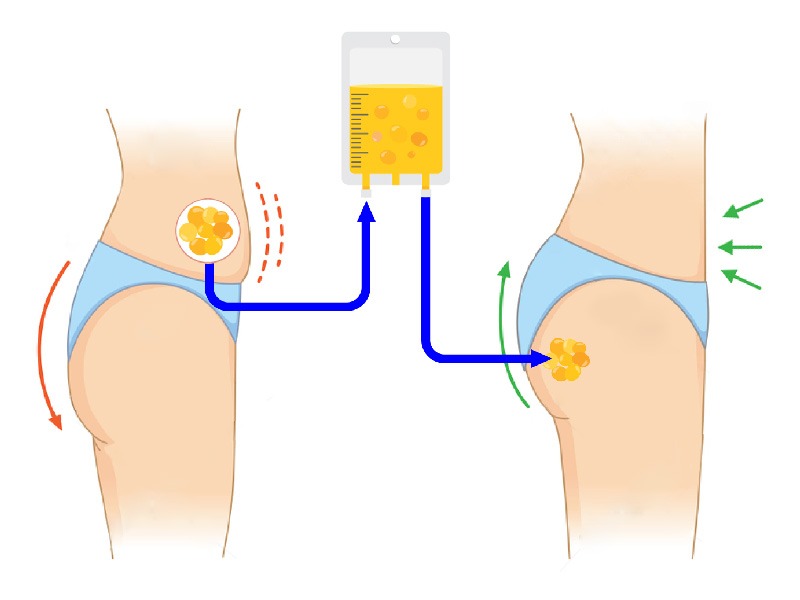
Fat is typically harvested from the stomach or thighs. Physicians perform soft liposuction to maintain the vitality of fat cells. With blunt cannulas, they can minimize harm to tissues. This aids the fat to survive once transferred. Most temple corrections require only small volumes, typically 5 to 10 cc in total. The meticulous technique and mini-incision instruments minimize bruising and discomfort.
3. Fat Purification
Once it’s harvested, the fat is cleaned. This eliminates additional fluids, blood and oil. The typical methods are centrifugation or filtration. This guarantees what remains is clean, healthy fat. Premium fat makes it more likely to thrive in its new location. Physicians are careful not to mix in fluids or debris. Clean, dense fat is the secret for silky, durable outcomes.
4. Precise Injection
It is a ‘fat transfer’ solution, with doctors injecting fat in increments, typically 0.1 cc per pass, and with delicate cannulas guiding the fat into precisely the right layers. We want to hit the deep fat compartments that shape the temple. Cautious placement and gentle spreading assist the fat to meld naturally with surrounding tissue. Deep injection planes provide the fat a better blood supply, which contributes to its longevity.
5. Volume Restoration
Fat transfer rounds out sunken temples and restores balance to the face. A few changes become apparent immediately, but final results take months to settle in as some fat absorbs, usually 30 to 70 percent. If necessary, additional sessions can amplify the impact. Symmetry and natural curves are the mission, and doctors will even recommend touch-ups to maximize the look.
Comparing Treatments
Temple hollowing correction has two main options: fat grafting and dermal fillers. Both have their advantages and disadvantages. Knowing the key distinctions allows patients to make educated decisions tailored to their individual preferences and objectives.
| Aspect | Fat Grafting | Dermal Fillers |
|---|---|---|
| Longevity | Lasts several years, sometimes up to 3+ years | 6–12 months before repeat needed |
| Safety | Uses own fat, low allergy risk | Rare allergies, some risk of vascular issues |
| Cost | Higher upfront, fewer repeats | Lower per session, but frequent touch-ups |
| Patient Satisfaction | High, especially with SVF-gel | Good, but drops as fillers wear off |
Dermal Fillers
Hyaluronic acid fillers attract water to the tissue, causing the skin to plump and fill out hollow areas. They enhance temple volume immediately, providing a smoother and youthful appearance. Fillers are popular as they provide immediate results, with visible effects the same day.
Dermal fillers are transient in nature. Most patients experience the fullness dissipating within six to twelve months, so annual treatments are typically required to maintain the appearance.
While allergic reactions to fillers are uncommon, they do occur. Some patients can experience swelling, redness or lumps. It carries rare but grave risks. For example, if it injects into a blood vessel, it can cause skin necrosis.
Fillers are simple to administer in the office. It’s fast and it only takes twenty minutes for each side. Most people return to work or daily activities the day after their procedure with minimal recovery.
Fat Grafting
Fat grafting implants a patient’s own fat, generally drawn from the abdomen or thighs. This renders it a natural and highly compatible choice for temple hollowing. Fat is harvested and purified before being injected into the temples, which enables a customized approach and natural-feeling results.
Unlike fillers, fat transfer is long-lasting. Research indicates that as much as 70% of fat cells that are transferred continue to survive and remain there. Results can last for years, with patients even benefitting for up to three years.
Up to 30% to 50% of the fat may actually be absorbed by the body, potentially transforming the end result. Patients sometimes need more than one visit to achieve their desired fullness.
Methods such as SVF-gel can enhance fat survival and contentment. Fat grafting requires the hands of a plastic surgeon who understands that technique is important for both safety and results.
Fat transfer recovery is generally minimal, with swelling and bruising persisting for a couple of weeks. Most get back to normal within a week or two, while fillers continue to provide the quickest bounce back.
The Patient Journey
Fat transfer for temple hollowing is a multi-step process, with each step designed to keep you safe and informed. It’s not a quick fix—live tissue is excised from the thighs or abdomen and strategically shifted over to the temples for a more defined contour.
It begins with an in-depth consultation to discuss objectives, past medical history, and establish realistic expectations. The patient journey extends through surgery and recovery, as follow-up and patient support are integral to both satisfaction and outcome.
- Consultation: The surgeon reviews medical history, examines the face, and discusses possible outcomes, risks, and benefits.
- Assessment: The doctor checks for enough donor fat and talks about realistic goals.
- Preoperative Planning: Instructions for before surgery, including medication adjustments and lifestyle tips.
- Procedure: Fat is removed, processed, and injected into the temples with care.
- Recovery: Patients receive instructions on how to manage swelling, bruising and daily activities.
- Follow-Up: Regular checks to look at progress and answer questions.
- Final Review: Evaluation of results and a discussion about any needed touch-ups.
We’ve got to manage expectations. Not everyone will have the same results and the final appearance can take as long as three months to reveal. Swelling and bruising are common, but typically subside within a 10-day period. Some patients require multiple sessions to achieve their objective.
Almost as important is education. Patients who know what to expect and when they will heal tend to be happier. Carefully crafted written and verbal instructions and online resources prepare people for each stage.
Assistance post operatively is crucial. Several clinics provide 24-hour hotlines, post-op phone calls, and additional appointments as necessary. These reinforcements assist patients in handling symptoms and reduce anxiety.
Ideal Candidates
- Good overall health, non-smoker, and no active infections.
- Sufficient donor fat (at least 2 cc per side).
- Realistic goals for temple contour and facial symmetry.
- Stable weight, since changes can affect lasting results.
- Healthy skin quality with some elasticity.
- Age isn’t a hard stop. Skin might heal a little better in younger patients.
It’s about being healthy and having defining goals that count the most. If there’s not enough donor fat, the procedure may be off the table. Skin quality and age influence the integration of the fat graft and the durability of the results.
The Recovery
- Keep swelling down with cold packs.
- Sleep with head raised for a few days.
- Do not do any heavy work or hard exercise for a minimum of two weeks.
- Take prescribed medicine as directed.
- Keep the area clean and dry.
- Do not touch or massage the temples.
Swelling and bruising are common, commencing immediately post surgery. They tend to go away within 10 days. Take care steps to get the best healing. Light activities can begin after a week, but full exercise requires doctor’s clearance.
Expected Timeline
It begins with a consult, followed by the pre-op visit, surgery and early recovery. The majority of symptoms get better within the first two weeks. Final results begin to show after one month, but the full effect may take as long as three months.
Follow-up appointments monitor progress and catch any issues early. Every individual is different in their healing process based on age, health and lifestyle.
The Art of Restoration
Fat transfer for temple hollowing is the perfect combination of art and science — restoring lost volume to your temples while maintaining a natural appearance. Since the process uses a patient’s own fat, it’s a biocompatible solution that blends with her features.
It not only fills hollow spots but also restores facial balance, maintains distinctive characteristics, and sustains confidence. Care, craftsmanship, and aesthetics are just as important as clinical method.
Facial Harmony
Facial harmony is a sense of balance and proportion that makes the face look pleasing as a whole. For cosmetic treatments, it signifies that all components of the face complement each other, as opposed to being prominent or attention-grabbing.
Refilling the temples is crucial as hollowness here can leave the face looking aged, fatigued, or gaunt. Volume loss in this area frequently disrupts the harmony between the upper face, cheeks, and eyes.
Restoring temple fat allows the face to regain a gentler, more youthful contour. We frequently perform temple augmentation in conjunction with cheek or midface restoration, as these competing areas complement one another to create symmetry.
One size does not fit all when it comes to fat placement. Not every face needs the same amount or location of fat. Personal features, ethnicities, and age influence what appears harmonious.
A technique-driven philosophy rooted in each individual’s requirements guarantees outcomes that fade, not scream.
Surgeon Skill
Finding a talented, board-certified plastic surgeon is an important decision. For fat transfer, fat harvesting and accurate placement must be experienced in order for the procedure to be safe and successful.
Surgeons schooled in facial anatomy know how to steer clear of nerves and blood vessels, reducing the risk of complications and enhancing outcomes. Experience in fat grafting means knowing how much fat to inject, where to inject it, and how to shape it for optimal effectiveness.
Specialist trained surgeons can mix fat transfer with other treatments, such as liposuction for body shaping or fillers like Sculptra and Voluma when a more targeted approach is required.
The surgeon’s care touches the patient in his comfort, recovery and satisfaction. Most patients experience just minor swelling or bruising, which dissipates within a few days, and outcomes continue to enhance over three sessions spaced roughly 90 days apart.
Natural Contours
The objective is understated, organic transformation that works with the face. Fat transfer should never cause the temples to look overfilled or unnatural.
With a little planning and a gentle touch, the fat can be sculpted so that it blends with the surrounding contours. Surgeons can employ micro-droplet injection techniques to distribute the fat uniformly, smoothing the surface.
As any patient’s anecdote will tell you, they love looking like new, but not obvious. Others mix fat transfer with fillers such as Voluma for a more customized effect that lingers close to a year or Sculptra for gradual collagen cultivation and softer borders.
Long-Term Results
Fat transfer for hollow temples typically provides a natural appearance by utilizing a patient’s own fat to replace lost volume. A lot of people ask me how long do these results last. Results are contingent on a number of factors, such as how the body accepts the grafted fat and lifestyle habits.
Here’s a table illustrating the main variables that determine the longevity of fat transfer in temple correction.
| Factor | How It Matters |
|---|---|
| Technique | Skilled handling helps fat survive longer. |
| Recipient Site Health | Good blood flow means better fat survival. |
| Patient Age | Younger skin often keeps results longer. |
| Lifestyle | Healthy habits support lasting outcomes. |
| Amount of Fat Injected | Not all fat will stay, but more can mean better results. |
| Aftercare | Proper care lowers swelling, helps integration. |
Permanence
Fat transfer isn’t always permanent, it can provide long-term temple volume if performed well. A portion of the injected fat may be reabsorbed by the body over a time period of a few months. Most of the volume reduction occurs early.
The remaining fat integrates into the adjacent tissue, providing a durable, natural appearance that can persist for years. Touch-up treatments are a possibility if too much fat gets absorbed, or if someone desires additional fullness.
It is common for patients to come in for a second treatment in that first year to achieve their goal. Many guests have shared with us how natural the results feel and look, with stable fullness for two or more years when a healthy lifestyle is maintained.
Satisfaction
Temples – High satisfaction after temple fat transfer, studies show. While most people report that their face looks ‘softer’ and ‘less tired,’ this boosts their confidence. Others feel relaxed and cozy in social or work environments, reflecting the spiritual benefit of temple volume revival.
Studies following patients over three to five years observed that a majority continue to be satisfied with their outcomes. True contentment connects to possessing realistic and truthful expectations.
Expecting some variation in fullness over time makes people often happier with the journey and outcomes.
Potential Risks
Fat transfer is typically safe, but there are risks. Typical side effects include edema, ecchymosis, or mild discomfort, which usually resolve within a couple of weeks. Uncommonly, you may experience issues like infection or lumpy fat distribution.
Fat embolism, when fat enters the bloodstream and blocks a vessel, is a remote possibility and a serious one. Extensive preoperative screening and experienced surgeons reduce these risks.
Being well-versed in potential side effects and taking aftercare tips seriously are crucial steps for safe results.
Conclusion
Fat transfer provides a robust solution to hollow temples. It utilizes your own fat. Physicians fill in the dip and assist in restoring a smooth appearance. They hold up well and feel real, not stiff. You bypass the risks with fillers or implants. Many people like the secure, straightforward manner in which fat transfer operates. You immediately notice a distinct transformation that suits your face. To achieve optimal outcomes, consult with an experienced physician and discuss your options. Inquire about what to anticipate and the potential duration of healing. If you are looking for a temple hollowing correction that looks and feels like you, a conversation with a reputable clinic can assist you in mapping out your next move.
Frequently Asked Questions
What causes temple hollowing?
Temple hollowing occurs for a variety of reasons including aging, genetics, and dramatic weight loss. Both fat and bone volume diminish in this region, causing a hollowed look.
How does fat transfer correct temple hollowing?
A fat transfer removes fat from somewhere else and places it in your temples. This replaces lost volume and results in a more full and youthful appearance.
Is fat transfer a permanent solution for temple hollowing?
Fat transfer gives permanent results. Sometimes, part of the fat transfers will be resorbed. Most patients experience results for years.
How does fat transfer compare to fillers for temple hollowing?
Fat transfer utilizes your own tissue and typically has a longer lifespan than fillers. Fillers offer immediate gratification but may require touch-ups within a few months.
What is the recovery time after a fat transfer to the temples?
The majority of patients resume their normal activities in less than one week. Some mild swelling and bruising are expected and typically subside within a few days.
Are there risks with fat transfer for temple hollowing correction?
Risks are low when conducted by a skilled expert. Swelling, bruising, or unevenness are all potential side effects, but serious complications are uncommon.
Who is a good candidate for temple fat transfer?
Best candidates are healthy adults demonstrating temple hollowing and who have sufficient fat for transfer. A consultation with a doctor will help identify if you are a good candidate.